At Harvard Law, the Departing DOJ Civil Rights Chief Says the Department Is Exploring AI to Analyze College Admissions Data
Harmeet Dhillon told a Federalist Society audience that more than 100 university investigations generate quarterly admissions data. She warned settlements could "backslide" under a different administration.
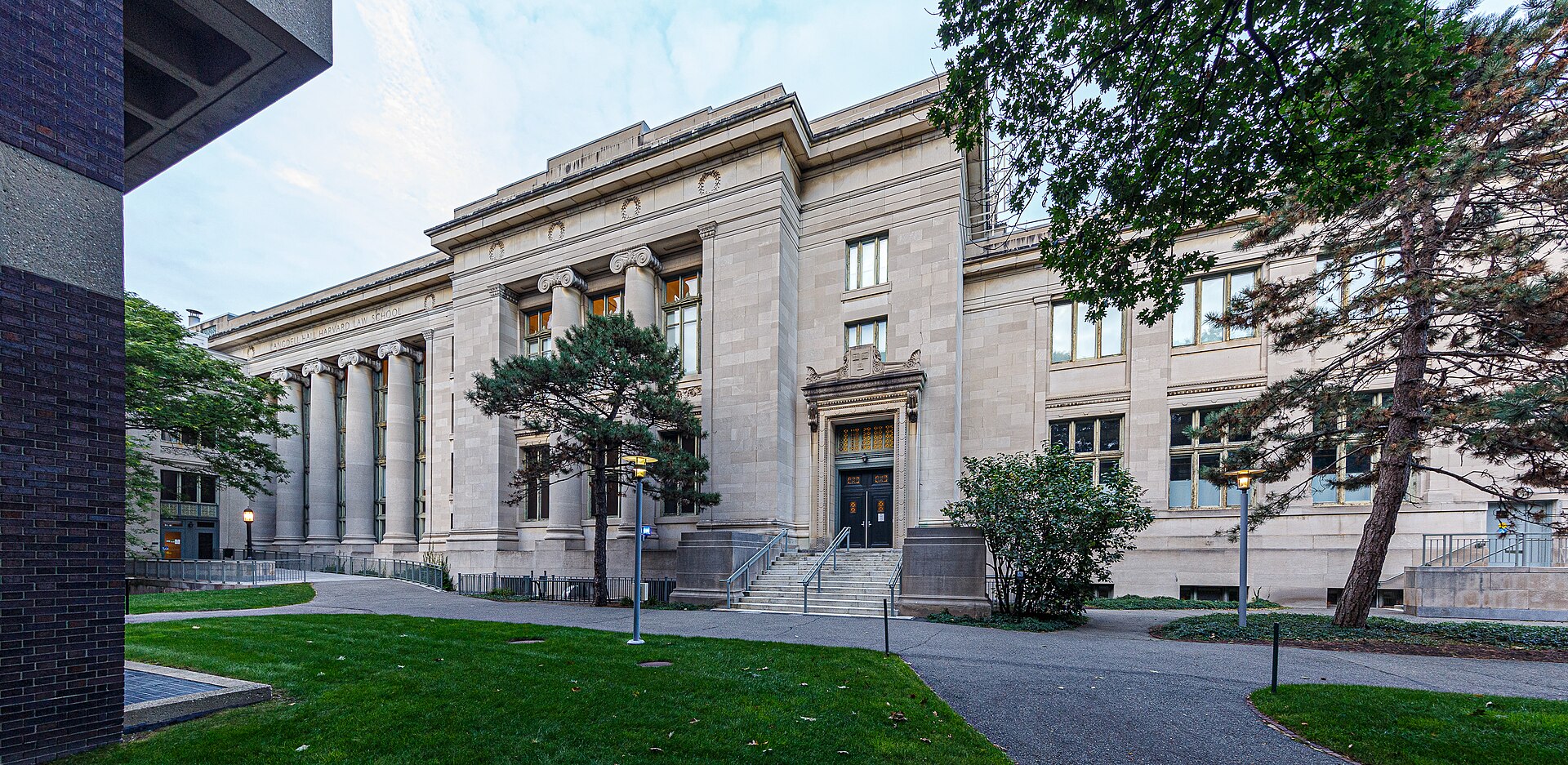
The Justice Department's Civil Rights Division is exploring the use of artificial intelligence to analyze admissions data from universities it is investigating, the division's former head, Harmeet K. Dhillon, said Monday at Harvard Law School, The Harvard Crimson reported.
Dhillon said the division has traditionally relied on statisticians to analyze the data, but staff are now exploring AI use "within the bounds of government policy." She did not say which AI tools the department was considering or how they would be used.
"Every quarter data rolls in from dozens of universities now because I opened up over 100 investigations into American universities," Dhillon said. "Many of them are cooperating with us, and one by one, they're all cooperating with a couple of exceptions."
She spoke at a fireside chat hosted by the Harvard Law School chapter of the Federalist Society, titled "Civil Rights and the Rule of Law: DEI, Free Speech, and the Trump Administration," less than two weeks after announcing her resignation following the midterm elections. Dhillon told division staff she planned to return to private practice and had informed President Donald Trump of her plans in early October. CBS News reported that Trump had expressed a desire to fire her over concerns that she had not been forceful enough in an October "60 Minutes" interview, according to the Crimson.
During her 19-month tenure, Dhillon was central to the administration's investigations of universities over alleged civil rights violations, including race-conscious admissions and antisemitism on campus.
"University leaders generally are cognizant that it's a new world in Students for Fair Admissions, and they don't want to lose federal funding, and so they're hiring lawyers, they're hiring consultants, they're coming to us proactively," she said, referring to the 2023 Supreme Court decision that ended race-conscious admissions. "I've had many many university presidents come to my office to make their case. We take them at face value and say show your homework, and if you're not discriminating anymore or you're correcting, you won't have a conflict."
Dhillon did not name institutions, but she warned that the "cooperative" settlements "could backslide easily if you had a different administration that decided to not enforce it." She added, "But there is private enforcement. Students for Fair Admissions was not brought by the United States government."
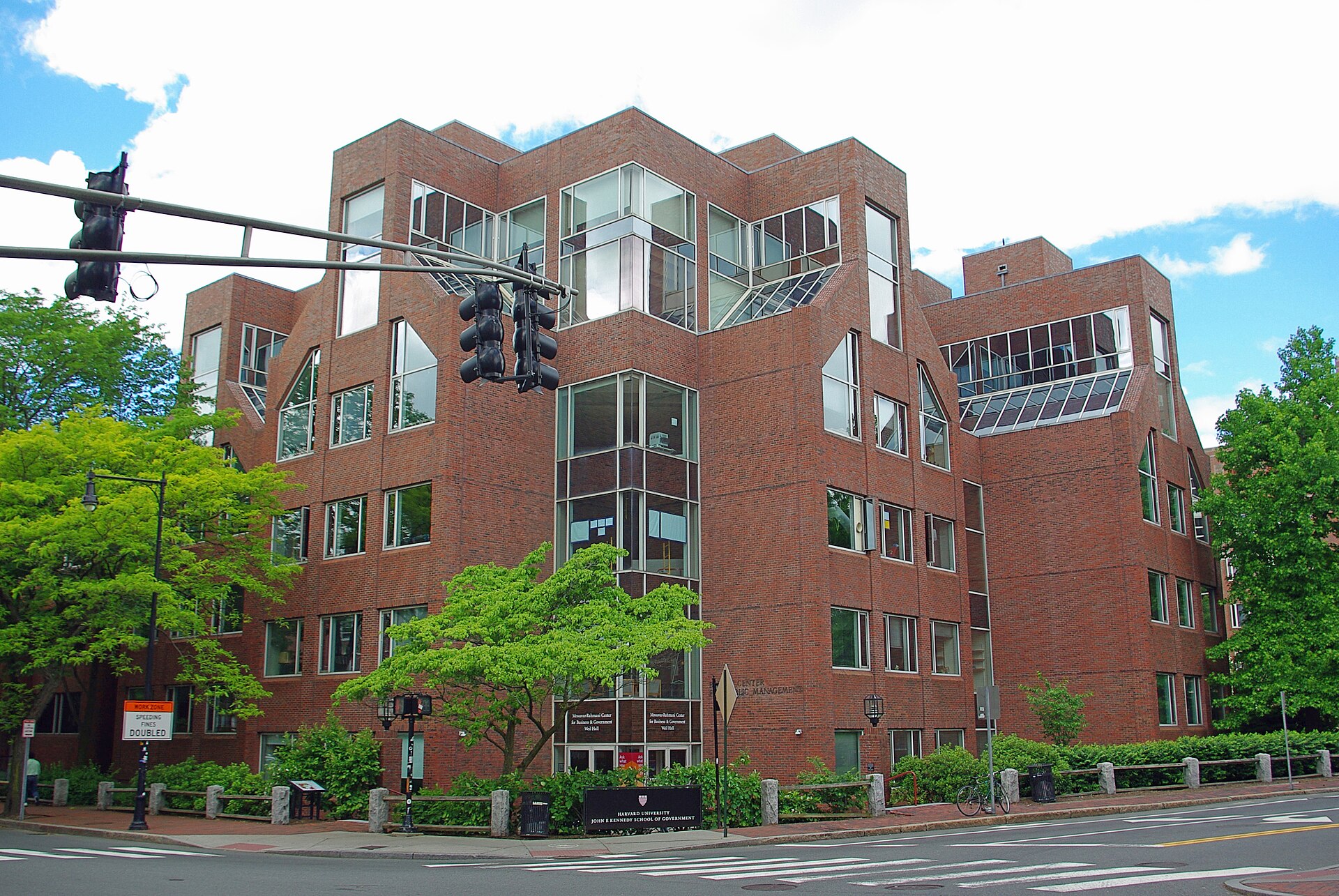
Harvard has been among the administration's main targets. The Justice Department sued the university to obtain admissions records as part of a civil rights review, but a federal judge dismissed that lawsuit on Nov. 2, ruling that the government had failed to meet procedural requirements. In a separate antisemitism matter, after a judge concluded that the alleged incidents were "too isolated and episodic" to show federal civil rights violations, the department appealed to the First Circuit in late August.
At the Law School itself, the Justice Department, along with the Departments of Education and Health and Human Services, opened an investigation into the Harvard Law Review over allegations that the journal discriminated against Black and Latino authors.
Dhillon also offered career advice to students. "Being a civil rights lawyer means taking risks and always and only filing colorable lawsuits that advance reasonable extensions of the law, but being prepared to lose," she said. She said she intends to keep practicing law and leading her firm.
The Nov. 2 decision in the Harvard case shows what kind of data is at stake. In a 10-page memorandum, U.S. District Judge Myong J. Joun wrote that after the Supreme Court's 2023 Students for Fair Admissions ruling, the Justice Department and the Education Department opened reviews of Harvard's admissions and sought "applicant-level admissions information, academic measures, race and ethnicity, essays or other records, and admissions outcomes." The Justice Department requested records in April 2025 from Harvard College, Harvard Medical School and Harvard Law School, and Harvard made productions in May 2025 that the government said lacked the applicant-level information it needed.
Joun dismissed the suit without prejudice, finding the government had not adequately shown it completed the required steps before going to court. He stressed the limits of his ruling, writing that it "does not determine whether Harvard has discriminated, whether the agencies may lawfully seek appropriately defined applicant-level data, or whether Harvard may ultimately be required to provide such data." The deficiency, he wrote, "may be cured by additional administrative steps," leaving the department free to try again.
Open questions include whether her successor continues the AI exploration, which universities have not cooperated, and whether the department appeals the dismissal of its Harvard admissions-records lawsuit.