The Longest U.N. Climate Talks on Record Ended in Antalya With No Deal
COP31 ran two days into overtime and collapsed over fossil-fuel language. Secretary-General António Guterres called the outcome deeply disappointing and said there is 'no ambiguity in the science.'
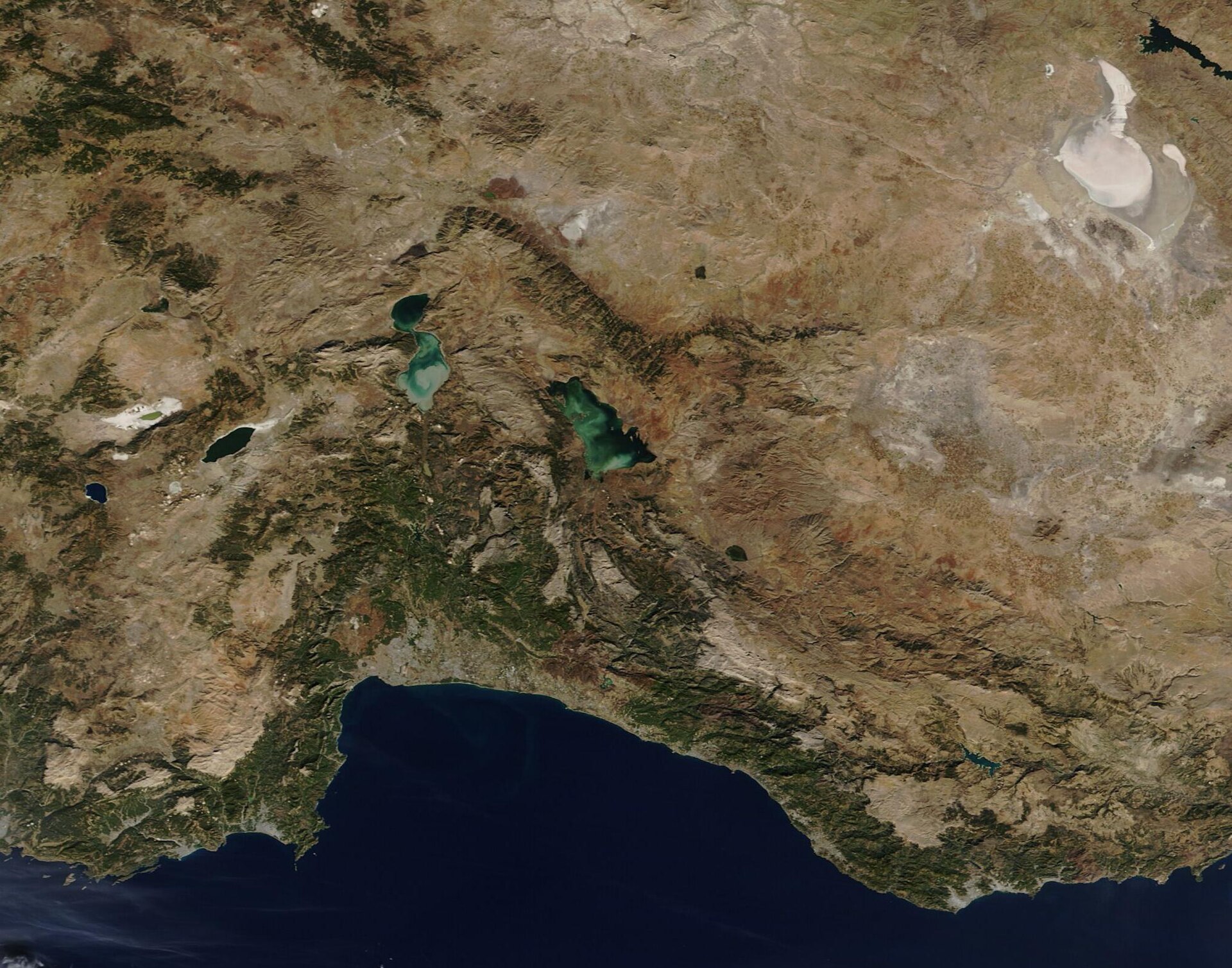
The United Nations climate summit in Antalya, Türkiye, ended on Sunday without a climate pact, after two weeks of negotiations and two days of overtime, making COP31 the longest U.N. climate conference on record. Secretary-General António Guterres called the result a "deeply disappointing" setback. "There may be no consensus in the negotiating room. There is no ambiguity in the science," he said. "The take-home message from COP31 is clear: the world must do much more to confront the climate crisis – and it must do it now."
COP31 President Murat Kurum, Türkiye's environment minister, told the closing plenary, "I understand that there is no agreement on this text. For that reason, these decisions have not been adopted." The deadlock centered on fossil fuels. A coalition of climate-vulnerable countries and others wanted a stronger commitment to move away from coal, oil and gas. Oil-exporting countries resisted that language. Multiple compromise drafts circulated by the co-presidents, Australia and Türkiye, including text that acknowledged warming is on course to exceed 1.5 degrees Celsius and that called for more carbon-removal technology, failed to win consensus.
The European Union formally objected to the cover decision. Irish Minister Darragh O'Brien, representing the EU, said it was "unconscionable that we would have a climate pact that makes no mention of fossil fuels," a line reported by the BBC and consistent with the EU's position as described by U.N. News, which said the bloc could not accept a text that omitted any reference to fossil fuels or a transition away from them. Panama rejected the outcome, saying governments have a responsibility "not to negotiate the minimum threshold, but to act." The Marshall Islands withheld support, warning that accepting the text would amount to a betrayal of its people. Ghana, speaking for the African Group, said the text was weak on climate finance, loss and damage and the just transition, which it said received "a single generic sentence," but that the group would not stand in the way of consensus. Saudi Arabia, speaking for the League of Arab States, defended references to carbon capture and storage and said all viable solutions should remain on the table.
Guterres said fossil fuels remain the primary driver of global warming, warned against delaying a shift to cleaner energy, and said, "We can't put out the fire while pouring fuel on it," accusing powerful fossil-fuel interests of obstructing action. He noted that governments had already agreed at COP28 in Dubai to transition away from fossil fuels. He called for deeper emissions cuts this decade, more support for vulnerable countries and a substantial increase in adaptation finance. "The climate crisis will not wait for governments to find common ground. Neither can we," he said.
Simon Stiell, the U.N. climate chief, told the closing plenary, "The world cannot afford a repeat of this moment." He pointed to some progress, including an agreement on a just transition and Action Agenda initiatives on electrification, resilience and investment, and said COP32 in Addis Ababa, Ethiopia, must build on earlier achievements rather than "step back." The BBC noted that the last comparable collapse of a COP's main political agreement was in Copenhagen in 2009, and that poorer countries also objected to the absence of clear financial commitments on adaptation. Whether countries will arrive in Addis Ababa with a path back to consensus is not yet known.
Sources
- UN News: COP31 ends without climate pact as UN chief warns there is 'no ambiguity in the science' (Nov. 22, 2026) (opens in a new tab)
- BBC News: COP31 climate talks fail to reach deal amid fossil fuel and money rows (opens in a new tab)
- Reuters: COP31 climate talks collapse as EU and others reject deal (opens in a new tab)