State Forgives $108.1 Million in Loans for 46 Wastewater Projects in 35 Communities
The Massachusetts Clean Water Trust grants, funded by the federal infrastructure law, cover part of $716.8 million in total project costs. Communities ranked as disadvantaged receive extra forgiveness.
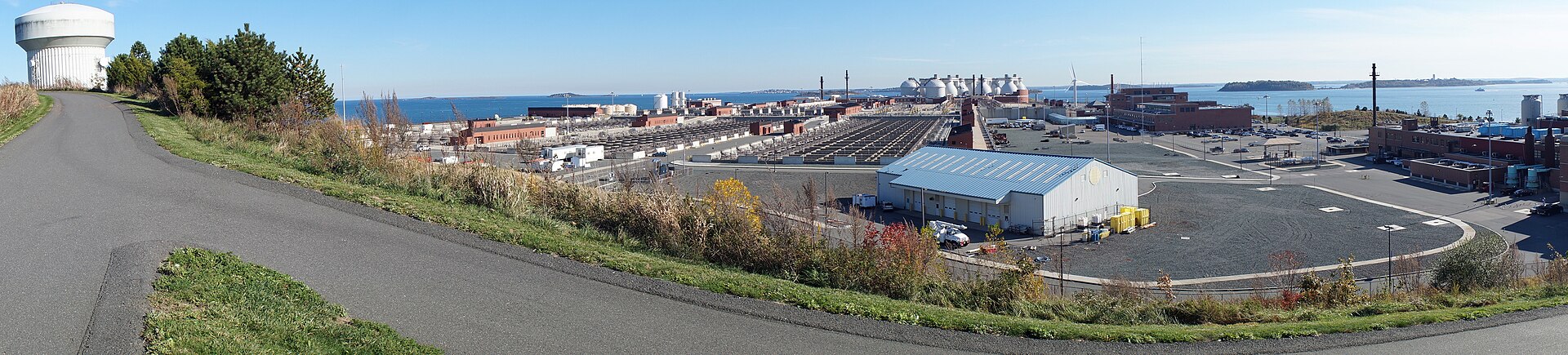
BOSTON — The Massachusetts Clean Water Trust has awarded $108,122,538 in grants, delivered as loan forgiveness, to 46 wastewater projects in 35 communities across the state, State Treasurer Deborah B. Goldberg announced Monday, Nov. 9. The grants will help cities, towns, counties and water utilities pay for projects with a combined cost of $716,825,907, according to the announcement.
Where the money comes from. The grant funds come from the federal Infrastructure Investment and Jobs Act, also known as the Bipartisan Infrastructure Law, which provided additional money to the trust with a requirement that part of it be distributed as grants rather than loans, the treasurer's office said. The forgiveness is applied to larger low- or no-interest loans that communities take out through the state's revolving loan funds.
How it is divided. The grants were awarded by project category for high-priority projects, according to the release. Communities that qualify as "Disadvantaged Communities" under an affordability metric that ranks every municipality in the Commonwealth receive additional loan forgiveness. The trust said it recognizes that certain communities face exceptional environmental and financial challenges and that loan forgiveness can minimize the fiscal impact of the projects. The treasurer's office attached a list of the communities and approved projects to its announcement.
What officials said. "These grants will support important projects throughout Massachusetts and help lower costs for local communities," said Goldberg, who chairs the trust's board of trustees. Gov. Maura Healey said the investments "will help 35 communities make critical upgrades to their wastewater systems, protect public health and keep costs down for residents and businesses." MassDEP Commissioner Bonnie Heiple said loan forgiveness eases "burdens on local budgets and residents' water bills." Administration and Finance Secretary Matthew J. Gorzkowicz called the trust "one of the most effective tools Massachusetts has for enhancing and protecting access to clean and safe water in our communities."
About the trust. The Clean Water Trust, working with the Department of Environmental Protection, provides low-interest loans and grants through the Massachusetts State Revolving Funds, partnerships between the U.S. Environmental Protection Agency and the Commonwealth that function like an infrastructure bank for water projects. Since its creation in 1989, the trust has loaned roughly $10.4 billion, and an estimated 97% of Massachusetts residents have benefited from its financing, according to the treasurer's office.
Why it matters for ratepayers. Forgiving part of the principal on state revolving fund loans reduces the amount a community must repay, which officials said is intended to limit the effect on local budgets and residents' water and sewer bills. The release does not say how much any single household's bill will change, and the per-project amounts are listed in the attachment rather than in the announcement text.