Charlestown High Families Got Their Say. The December 2 Closure Vote Has Not Moved
Enrollment fell about 32 percent in three years, to 559 students. The School Committee is still set to vote Dec. 2 on a June 30, 2028 closure.
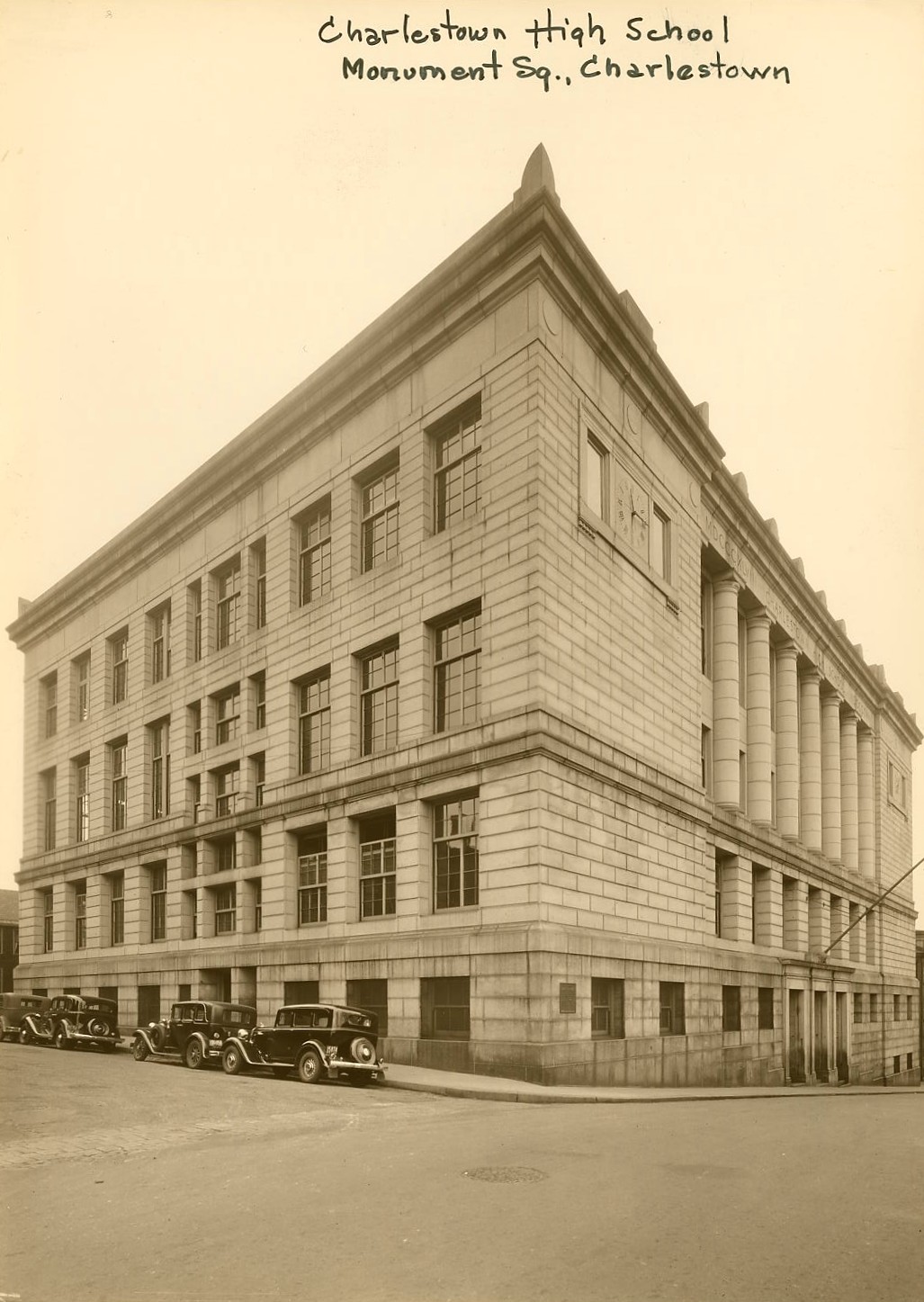
BOSTON — Boston Public Schools is recommending that Charlestown High School close effective June 30, 2028, and the Boston School Committee is scheduled to vote on Dec. 2. Families got a virtual meeting this week. The timetable did not change.
According to the district's public closure page, enrollment fell about 32 percent in three years, from 820 to 559. The building holds 1,046 students and is about 53 percent utilized. Students with disabilities are about 45 percent of enrollment. About 21 percent of students live in Charlestown. Grade sizes are inverted: roughly 205 seniors versus 65 ninth-graders and 48 seventh-graders.
What the district says
Superintendent Mary Skipper's capital-planning team presented Cycle 4 Long-Term Facilities Plan recommendations on Nov. 4, including closing Charlestown High, Greater Egleston High and the East Boston Early Education Center. A memo from Chief of Capital Planning Del Stanislaus lists a June 30, 2028 effective date.
If approved, no new students would be assigned except siblings; there would be no grade 7 in 2027-28; juniors and seniors would graduate through June 2028; and other students would get priority in 2028-29 assignment. NBC Boston said accepting the package would leave BPS with about 97 schools. Mayor Michelle Wu said education dollars should serve students rather than keep open half-empty buildings, according to coverage of her briefing.
Skipper has cited smaller birth cohorts and lost immigrant enrollment as drivers, and long commutes as a factor in attendance — the administration's position, not a finding about every student.
Council pushback
Councilor Gabriela Coletta Zapata filed a hearing order on data, alternatives, effects on multilingual learners and students with disabilities, transportation, staffing and building reuse. Councilor Julia Mejia filed a resolution asking the School Committee to postpone Dec. 2, arguing notice left about a month. Councilors Erin Murphy and Ed Flynn raised process questions, Universal Hub reported. Mejia said high-need students should not be singled out and that councilors were not informed before the proposal became public. The council does not control closures.
Community response
Students walked out Nov. 3. Families and teachers argued the school provides safety, belonging and specialized services. The district opened a feedback survey and scheduled more meetings before the vote. The building scores relatively well on BPS's Building Experience Score, which is why the district frames the recommendation as an enrollment and programming problem rather than a facilities failure.
What is still unknown
Whether the School Committee delays or rejects the closure, what happens to the building, and how specialized programs would be replicated.
Public records and contemporaneous reporting remain the basis for every figure and quotation in this account; where officials have not yet released a name, motive, vote tally or investigative finding, that gap is stated plainly.
Boston Uncut will update the story when primary agencies publish additional statements, dockets, agendas or certified results that change the factual picture.
Readers can follow the linked sources for underlying documents and full quotations. Allegations in complaints, campaign statements or activist materials are labeled as such and are not presented as findings.
Background and historical comparisons appear only when they illuminate the present dispute; they are not evidence about unresolved facts in the current case.
Where multiple outlets reported the same event, this account prefers figures and quotations that appear in more than one independent source, and notes remaining disagreements.
Official agendas, court dockets, agency releases and on-the-record interviews are treated as primary; secondary summaries are used to locate those records and are checked against them when available.
Public records and contemporaneous reporting remain the basis for every figure and quotation in this account; where officials have not yet released a name, motive, vote tally or investigative finding, that gap is stated plainly.