U.S. Fertility Rate Hit a Record Low in 2025 as Births to Women in Their 20s Fell and Births to Women Over 30 Rose, Final CDC Data Show
The National Center for Health Statistics counted 3,612,012 births last year. Rates for women 20 to 24 fell 6% in one year and teen rates fell 7%, while rates rose for every age group from 30 to 44.
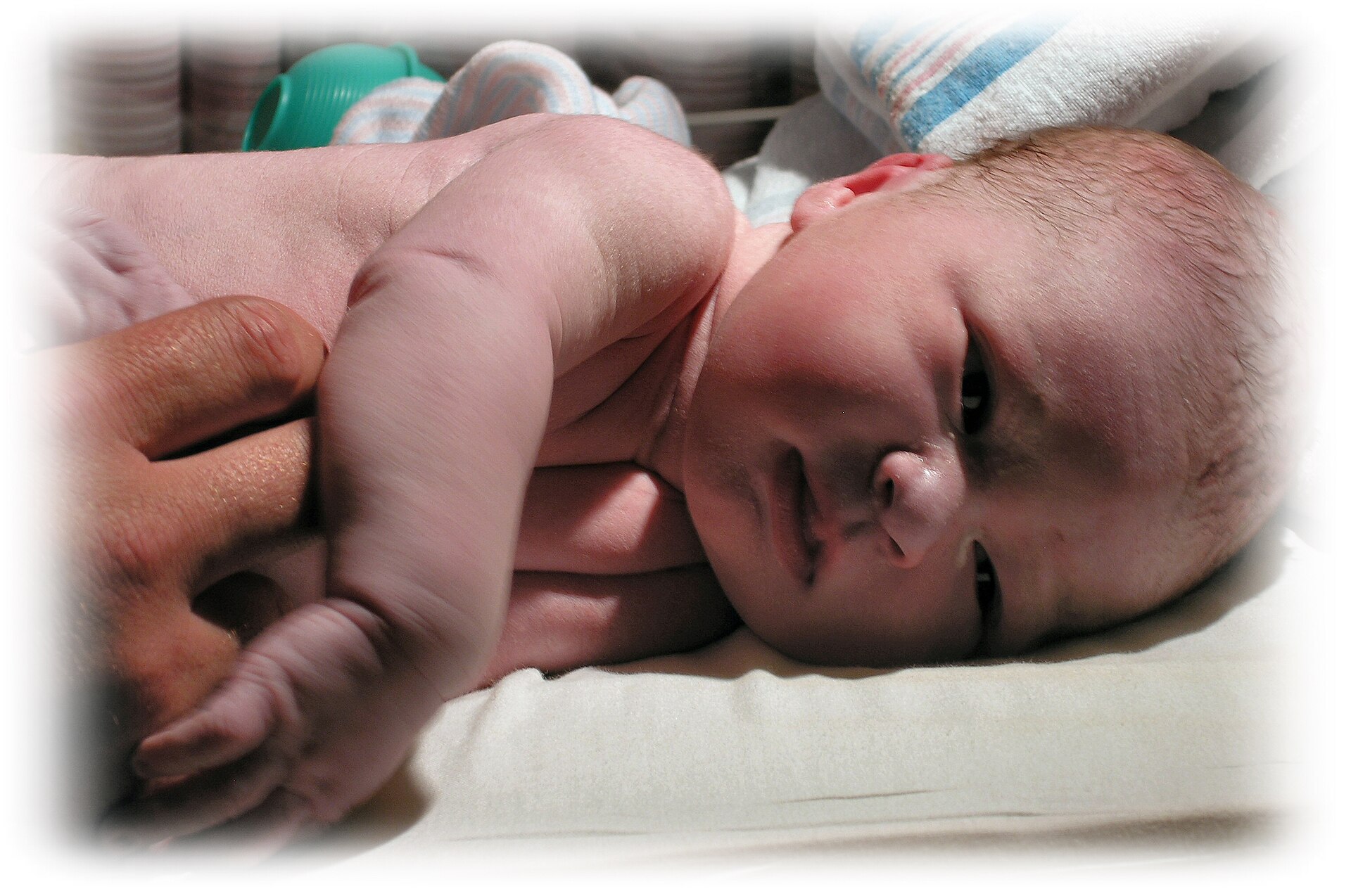
The general fertility rate in the United States fell to a record low in 2025, according to final birth data released by the National Center for Health Statistics, part of the Centers for Disease Control and Prevention. The data brief shows a country where motherhood is shifting steadily later in life.
There were 3,612,012 births registered in the United States in 2025, down less than 1% from 3,628,934 in 2024, the report says. The general fertility rate, which measures births per 1,000 women ages 15 to 44, was 53.2, a 1% decrease from the year before and the lowest on record.
The decline was concentrated among younger women. According to the brief, birth rates fell to record lows for every age group from 10 to 29. The rate for women 20 to 24 fell 6%, from 55.8 births per 1,000 in 2024 to 52.3 in 2025. The rate for women 25 to 29 fell 4%, from 89.5 to 85.7. The teen birth rate, for ages 15 to 19, fell 7%, from 12.6 to 11.7. The rate for girls 10 to 14 fell from 0.2 to 0.1 per 1,000.
At the same time, rates rose for women in their 30s and early 40s. The rate for women 30 to 34 increased 3%, from 93.7 to 96.3 births per 1,000; for women 35 to 39, it rose 2%, from 54.3 to 55.2; and for women 40 to 44, it rose 1%, from 12.7 to 12.8. The rate for women 45 to 49 was unchanged at 1.1.
Put those figures side by side and the peak childbearing years have moved. Women 30 to 34 now have the highest birth rate of any age group, at 96.3 per 1,000, well ahead of women 25 to 29 at 85.7. The rate for women 35 to 39 is now higher than the rate for women 20 to 24, 55.2 compared with 52.3.
"Certainly the 6% decline in the birthrate for women age 20 to 24 is noteworthy," Brady Hamilton, a demographer at the National Center for Health Statistics who co-authored the report, told NPR.
The report also tracked two measures of maternal care. The share of mothers who began prenatal care in the first trimester rose from 75.5% in 2024 to 76.3% in 2025, with increases in every age group younger than 40. The largest gains were among mothers younger than 20, from 56.7% to 58.4%, and mothers 20 to 24, from 68.7% to 69.8%. The cesarean delivery rate was unchanged at 32.4%, though it fell slightly for mothers in their 20s.
Researchers have pointed to several reasons for the shift. NPR cited a Federal Reserve Bank of Atlanta study released last month that found Gen Z women "are dramatically less likely to want children" than earlier generations, and listed factors including expanded job opportunities for women, rising costs, changing priorities and concerns about maternal mortality. The CDC data brief itself does not analyze causes.
The population effects are already visible. NPR reported that the U.S. median age reached 39.4 in 2025 and that some states, including Vermont, are seeing population decline, citing the Census Bureau.
The brief reports national figures only. State-level 2025 rates, including for Massachusetts, are published separately in the National Vital Statistics System files. Questions the data cannot answer on its own: whether the rise among women in their 30s reflects delayed births that would have happened anyway or a genuine change in total family size, and how much of the decline among younger women is driven by cost.