Cambridge's Civic Assembly Hears a Mother's Plea and a Researcher's Doubts as It Weighs ShotSpotter and Park Cameras
Forty randomly selected residents held the second of four sessions Saturday. ShotSpotter covers 18% of the city but 74% of confirmed shootings since 2014; North Cambridge, where a 21-year-old was killed in 2025, is outside it.
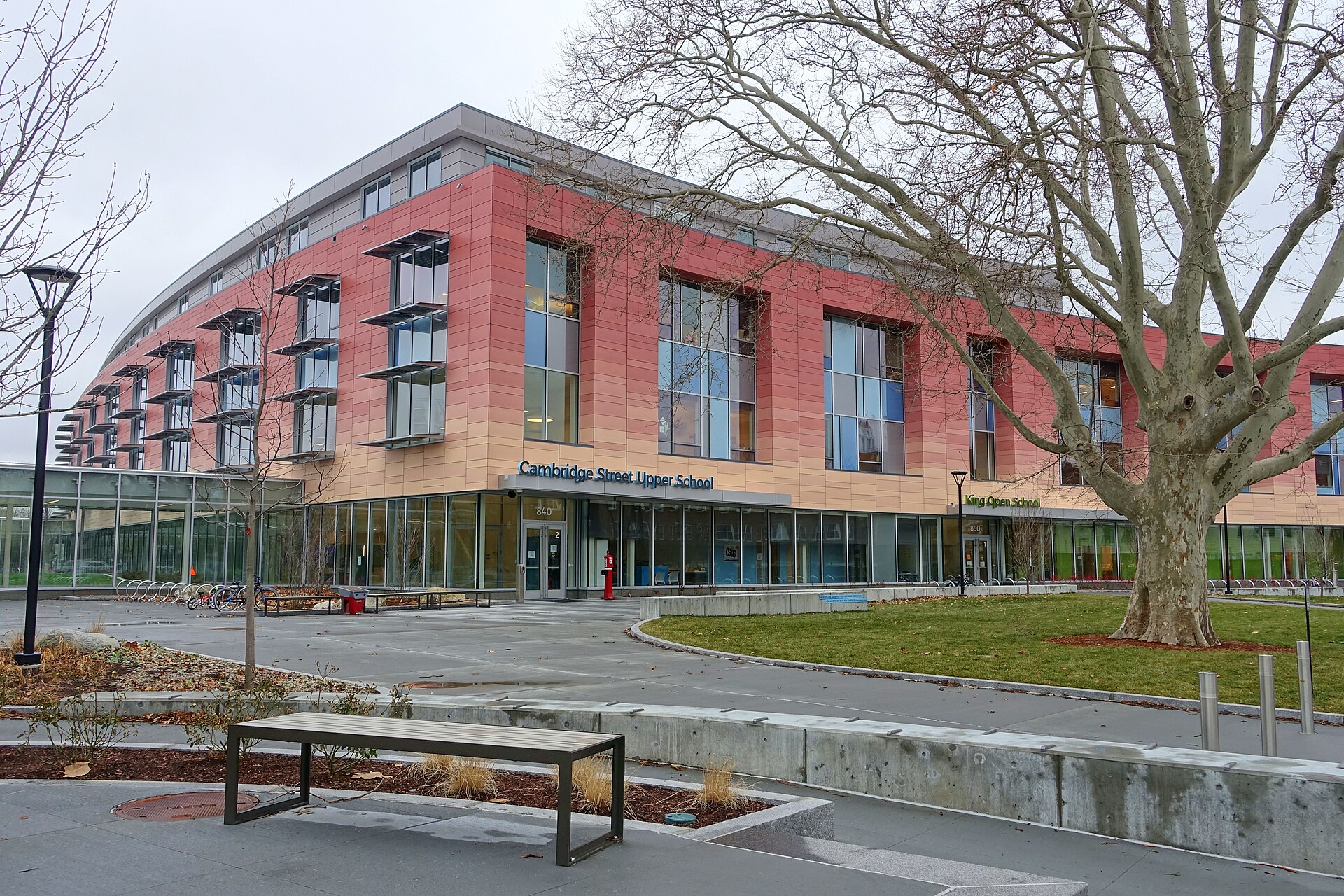
CAMBRIDGE — The 40 members of Cambridge's first Civic Assembly met Saturday, Nov. 7, at the King Open School for the second of four sessions on whether the city should keep using the ShotSpotter gunshot-detection system and whether to add overnight surveillance cameras in city parks, Cambridge Day reported. Their recommendations to the City Council will be nonbinding.
Members were chosen through a sortition process that combined random selection with demographic criteria meant to represent the city's population, and each will receive $1,000 for completing all four sessions, according to Cambridge Day. The assembly was convened amid years of debate over privacy and renewed attention to gun violence after a city public works employee was fatally shot on July 4.
The research. Eric Piza, a Northeastern University criminologist who studies gunshot detection, told the assembly the technology can alert police before 911 calls, help locate shooting scenes and increase the collection of ballistic evidence. In Kansas City, Mo., his research found alerts arrived an average of 93 seconds before the first 911 call. But Piza said most studies have found no significant reduction in shootings or improvement in clearance rates, and that findings on response times are mixed. He cautioned against applying big-city findings to Cambridge. "Does Cambridge, Massachusetts, have a gun violence problem that warrants investment in this technology?" he asked. Nasser Eledroos of Northeastern's law school opened the day with four questions for judging any surveillance tool, including whether its benefits justify its financial and social costs.
A mother's testimony. Joanna Jimenez, whose 21-year-old son, Angel Pupo Nieves, was fatally shot on Clifton Street in North Cambridge in January 2025, spoke in support of ShotSpotter. His killing remains unsolved, Cambridge Day reported. Jimenez questioned why North Cambridge, which has had several shootings in recent years, including one near Russell Field last month, falls outside the system's detection area. Cambridge police analysts previously said ShotSpotter covers 18% of the city's land area, which accounted for 74% of confirmed shootings between July 2014 and May 2026. "Let it be about the mother waiting for her child to come home," Jimenez said.
Police and business views. Cambridge Police Deputy Superintendent Mike Logan called ShotSpotter "just a tool. It's not the end-all, be-all," and said the coverage boundaries were drawn using 2014 gun-violence data; he said police would be open to expanding them. Michael Monestime, president of the Central Square Business Improvement District, cited a fatal shooting in Central Square in August, another shooting last month and a stabbing the day before the assembly in arguing for the system.
Park cameras. In the afternoon, Ben Struhl of the University of Pennsylvania's Crime and Justice Policy Lab told members that research suggests cameras work better when actively monitored or paired with other measures. "In the research, we see that cameras really don't seem to do much on their own without something else being associated with them," he said, and he warned about the risk of other agencies accessing footage. At the previous session, acting Police Commissioner Pauline Wells said the city's existing public-safety cameras are not actively monitored, Cambridge Day reported. The recommendations will apply only to city-controlled parks, not state-managed spaces such as Magazine Beach.
Selvin Chambers, executive director of the Margaret Fuller Neighborhood House, framed the trade-off: "If there are 1,000 people in favor and 10 people against, who gets to feel safer?" Karim Razzaq, a Cambridge Youth Soccer board member, suggested better lighting and regular patrols at Russell Field might reassure residents more than cameras.
Members ended the day with a "fist-to-five" exercise to signal how settled they felt; several said they wanted more discussion with one another before deciding. The Harvard Crimson also reported on the session. Two sessions remain before the assembly delivers its recommendations to the council.