Boston Cast 185,569 Ballots and Backed the Starter-Homes Question by 69 Percent While the State Split Evenly
City results posted at 3:46 a.m. show turnout near 42 percent of registered voters, Healey and Markey above 78 percent, and margins on several ballot questions far from the statewide count.
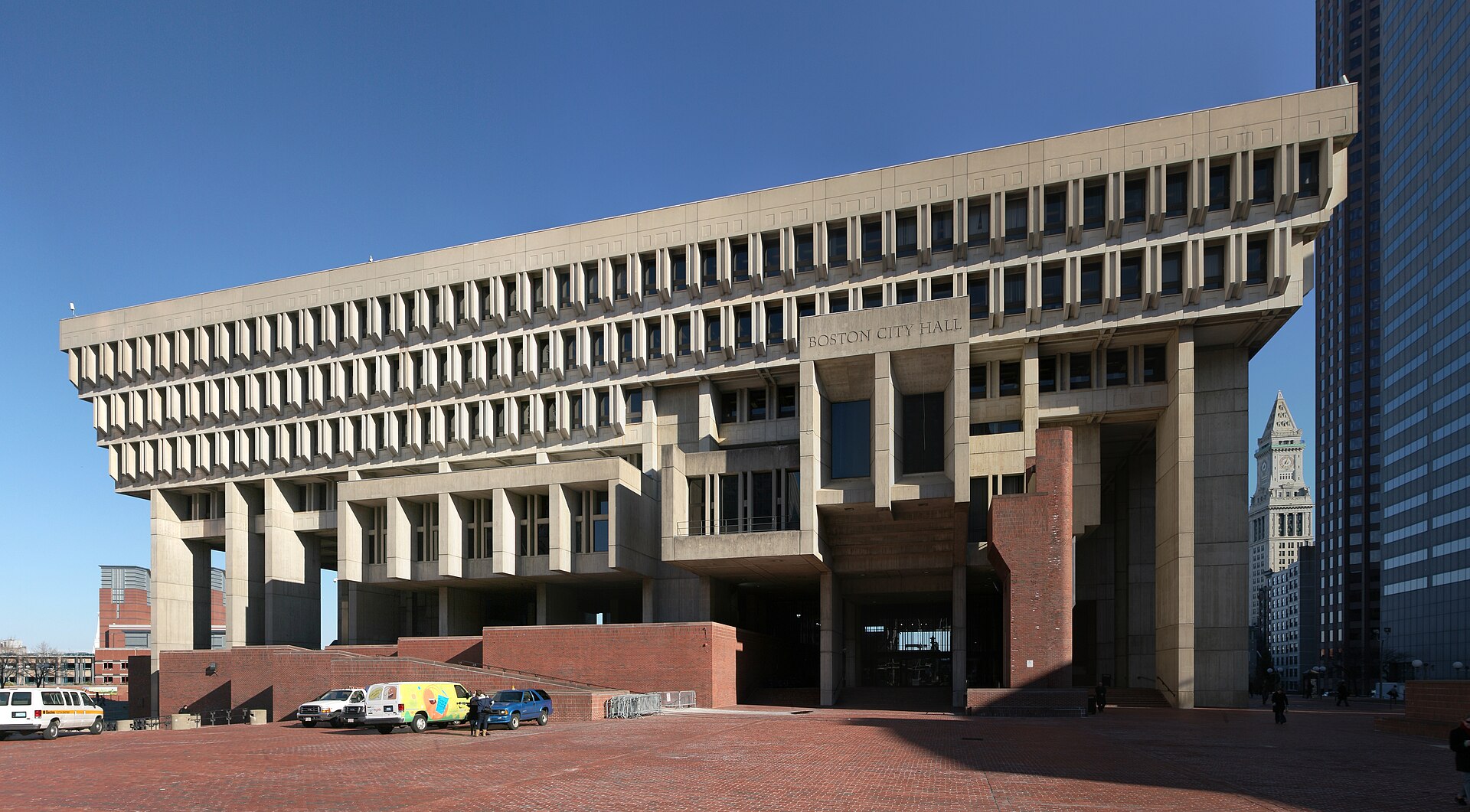
Boston voters cast 185,569 ballots in Tuesday's state election, according to unofficial results the city's Election Department posted at 3:46 a.m. Wednesday with all 275 precincts reporting. Measured against the 443,178 registered voters the department reported before the election, that is a turnout of roughly 41.9 percent.
The results show the city voting in line with the statewide outcome in the top races but by much wider margins, and they show at least one ballot question on which Boston and the rest of Massachusetts moved in sharply different directions.
The top of the ticket
Gov. Maura Healey and Lt. Gov. Kim Driscoll received 143,019 votes in Boston, or 78.19 percent, according to the city's tally. Republican Mike Minogue and running mate Shawn Oliver received 32,772 votes, or 17.92 percent, and independent Andrea James and Kayla Kittredge received 6,725, or 3.68 percent. Statewide, Healey had 62.7 percent with about 81 percent of the expected vote counted, according to the results CBS News published with its race call.
U.S. Sen. Ed Markey matched the governor's share in the city, also at 78.19 percent, with 142,178 votes. Republican John Deaton received 28,471 votes, or 15.66 percent. Joe Tache received 7,727 votes and Shiva Ayyadurai received 2,958.
Attorney General Andrea Joy Campbell received 81.44 percent in Boston over Republican Michael C. Walsh. Secretary of the Commonwealth William Francis Galvin received 86.15 percent, Treasurer Deborah B. Goldberg 81.11 percent, and Auditor Diana DiZoglio 90.20 percent, the highest share of any contested statewide candidate in the city.
Suffolk District Attorney Kevin R. Hayden, who had no opponent on the ballot, received 146,829 votes. In the Eighth Congressional District, the part of the city represented by U.S. Rep. Stephen F. Lynch, Lynch received 76.91 percent against Robert Gerald Burke and Rasheed Nicholas Walters. U.S. Rep. Ayanna S. Pressley was unopposed in the Seventh District's Boston precincts.
Where Boston and the state parted
The clearest divergence came on Question 7, the measure that would allow single-family homes on residential lots of at least 5,000 square feet with water and sewer service. Boston voters approved it 119,998 to 53,286, or 69.25 percent yes. Statewide, the question was essentially tied and had not been called as of early Wednesday; a results page built on Associated Press data showed yes and no each at 50.0 percent with about 80 percent of the expected vote counted, and showed the yes side's lead shrinking from 7.3 points as the count went on.
That means a large Boston margin was not enough on its own to settle the question, and that voters outside the city leaned against it. The city tally alone does not show which communities produced the statewide no vote.
Question 5, which would change how the state calculates its tax-revenue limit, failed in Boston 105,746 no to 72,261 yes, or 59.41 percent no. Question 3, the proposal to replace party primaries with all-party primaries, failed in the city with 63.28 percent voting no. Question 8, which would have repealed retail sales of recreational marijuana, lost in Boston 138,035 to 37,358, or 78.70 percent no.
The other questions passed in the city by wide margins. Question 1, which would bring the governor's office and the Legislature under the public records law, received 87.61 percent yes. Question 9, the vote on keeping the 2024 gun law, received 80.79 percent yes. Question 2, on collective bargaining for public defender staff, received 77.87 percent yes; Question 4, on Election Day voter registration, 73.51 percent; and Question 6, on the conservation fund, 68.36 percent.
The few contested local races
Most Boston legislative seats were uncontested. Among those that were not, Rep. David M. Biele received 77.96 percent against Charles J. Delaney, Rep. William F. MacGregor received 89.82 percent against Devin Allen Kreinbring, and Sen. William N. Brownsberger received 90.86 percent of the Boston vote against Brandon Charles Wood, according to the city's tally.
Precinct-level snapshots reported by the Dorchester Reporter on election night showed the city was not uniform. At Florian Hall in Ward 16, Precinct 12, Minogue led Healey 448 to 222 and Deaton led Markey 380 to 239, the paper reported, while at the Bellflower Apartments in Ward 7, Precinct 9, Markey led Deaton 340 to 103 and voters rejected Question 8 by 398 to 86.
How the count was done, and what is not in it
The city's central tabulation report, covering mail and early in-person ballots processed at City Hall by 5 p.m. on Friday, Oct. 30, recorded 29,806 ballots on the governor's race. The remaining early and mail ballots were sent to polling places and counted there on Election Day, according to the Election Department.
The department says the election-night figures do not include hand-counted ballots recorded after polls closed, specific write-in votes, provisional ballots, overseas ballots, or mail ballots that arrived on time but too late to be sent to polling places. Mail ballots postmarked by Nov. 3 still count if they arrive by Friday, Nov. 6. The deadline to certify official results is Wednesday, Nov. 18, and precinct-level results are due to be posted Wednesday.
Because those ballots are not yet included, the turnout figure and the city's margins on each question may change, though the city's unofficial count shows no Boston race or question close enough for a few thousand ballots to change the city-level result.
Sources
- City of Boston: Unofficial Election Results, State Election Nov. 3, 2026 (updated Nov. 4, 3:46 a.m.) (opens in a new tab)
- City of Boston: Central Tabulation Unofficial Results (PDF) (opens in a new tab)
- City of Boston Election Department: Reminders ahead of the Nov. 3 State Election (443,178 registered voters) (opens in a new tab)
- Dorchester Reporter: Dems roll to victory nationally and in Dorchester (Nov. 3) (opens in a new tab)
- CBS Boston: Maura Healey wins second term (statewide results) (opens in a new tab)
- Exa election results (AP data): Massachusetts Question 7 (opens in a new tab)