Boston Police Crime Lab Went From Missing Half Its Rape-Kit Deadlines to Missing None, State Report Shows, Ahead of Monday Council Hearing
A state report filed with the Legislature in March says the Boston Police forensic lab tested all 160 sexual assault kits it received in fiscal 2025 within the 30-day legal deadline. The City Council's hearing order, written earlier, still cites the lab's failures.
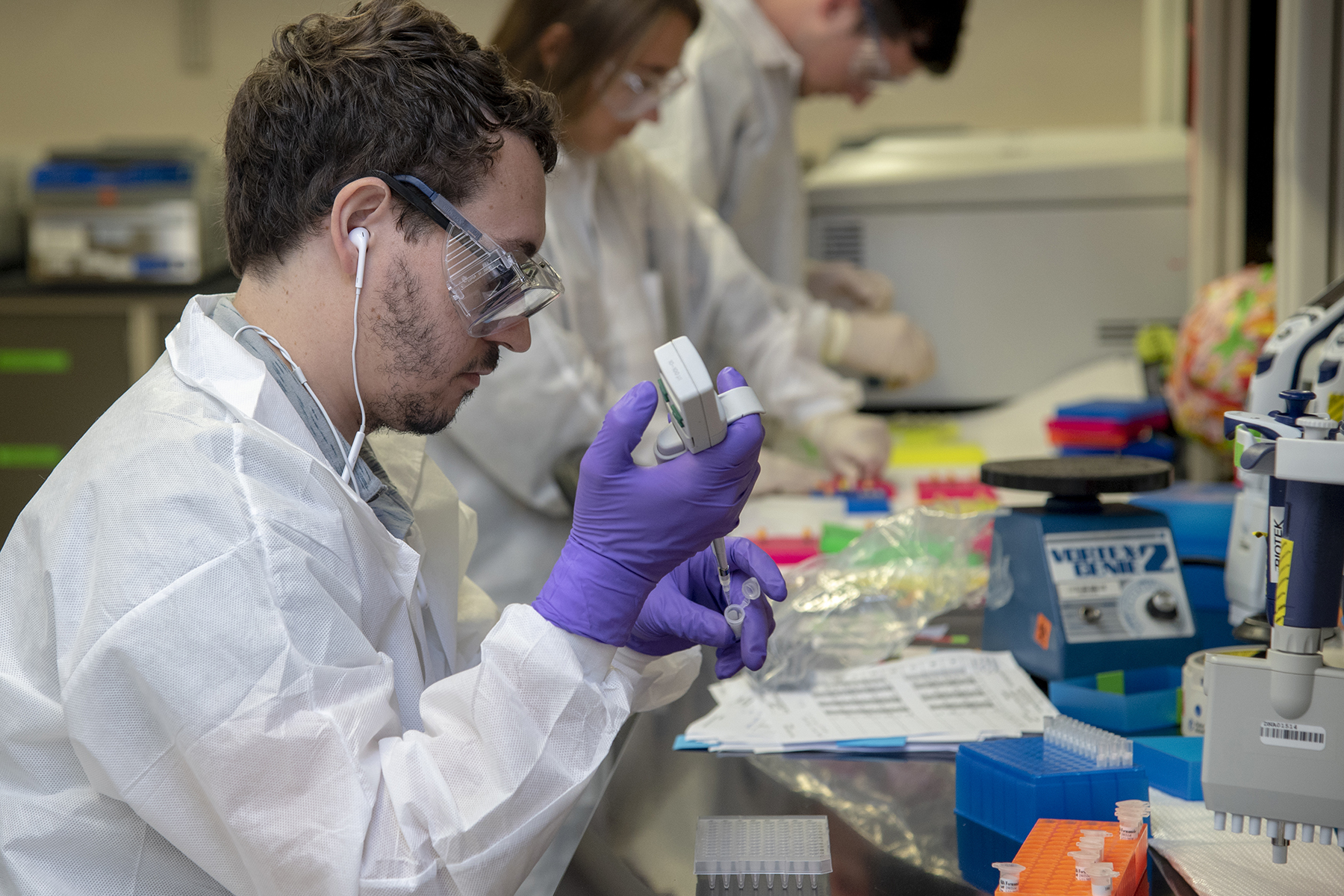
The Boston Police Department's forensic laboratory tested every sexual assault evidence kit it received in fiscal year 2025 within the 30-day deadline set by state law, according to the most recent annual report from the Executive Office of Public Safety and Security, a sharp turnaround from two years earlier, when the lab missed the deadline on half of its kits.
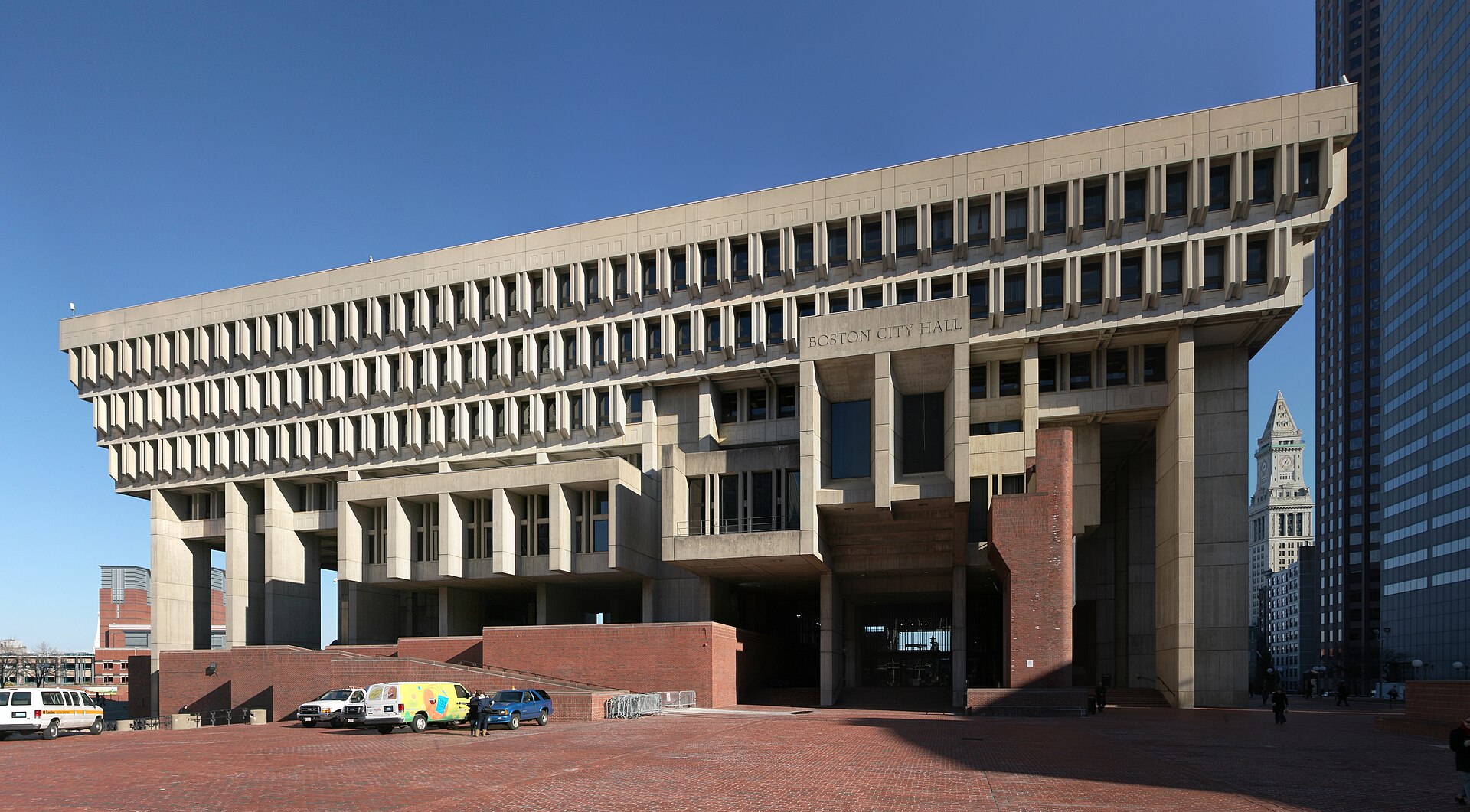
The figures come as the Boston City Council prepares to take up the lab's resources at a hearing scheduled for 10 a.m. Monday, Oct. 26, in the Iannella Chamber at City Hall, according to a public notice posted by the city. The hearing order, Docket #0180, was referred to the Committee of the Whole on Jan. 28, 2026, according to the council's Legistar record. The public notice lists the hearing under the Committee on Public Safety and Criminal Justice and says the public can offer testimony.
The council's order rests largely on older numbers. It states that the lab received 186 sexual assault kits in fiscal 2023, the year ending June 30, 2023, and did not test 93 of them within 30 days. It says the lab missed the deadline on 39 of 144 kits in fiscal 2022 and on 24 of 123 kits in fiscal 2021. By comparison, the order says, the Massachusetts State Police Crime Laboratory tested 96 percent of the 714 kits it received within 30 days in fiscal 2023.
The newer state report tells a different story for the Boston lab. The Fiscal Year 2025 Sexual Assault Evidence Collection Kit Annual Summary Report, posted on the Legislature's reports page, says the Boston Police Department Forensic Laboratory received 160 kits collected between July 1, 2024, and June 30, 2025. Three did not qualify for testing because the incident was not reported to law enforcement or occurred outside Massachusetts. "Of the 160 SAECKs the BPDFL received, zero (0) SAECKs exceeded the 30-day testing timeframe," the report states.
The report credits changes inside the lab. It says the lab "evaluated internal workflow" and worked with its partners to optimize submissions, assessed resources to improve throughput, and assigned priorities to select processes to improve the timeliness of reporting, adding that the process was completed and implemented after Jan. 15, 2024.
The Boston lab developed 76 DNA profiles from the kits it tested in fiscal 2025, and 33 of them met FBI criteria and were uploaded into the state and national DNA database known as CODIS, according to the report. The other 43 profiles did not meet state and federal eligibility requirements. The report lists reasons the labs could not create profiles from other kits, including cases that were unreported, kits with no items to test, insufficient DNA and testing that was tolled because of the limited quantity of evidence.
The State Police laboratory, which handles kits from the rest of the state, did not post a perfect record in the same year. The report says the State Police lab received 734 kits and completed testing on 670 of them. Seventy-two kits were not tested within 30 days, for reasons the report lists as investigative reports not submitted with the kits, staffing limitations at the lab and complex testing that required more time. The report notes that state law does not require it to publish the number of kits not tested within 30 days, and says it provides that figure "in the interest of transparency."
The Boston lab's record had drawn council scrutiny for several years. According to the hearing order, Boston Police told councilors at a 2024 hearing that the lab had 22 employees but also open positions and staff on leave, and that staffing shortages had pushed the average time to test a rape kit to 54 days. The order says the lab's leadership had been unstable, with a rotating series of interim directors after its leader was placed on leave in August 2022 amid an internal investigation.
The order also recounts a budget move. During the fiscal 2025 budget process, it says, the council voted to reallocate $1 million within the Police Department to support the lab, including $700,000 from police personnel services to hire more lab technicians and fill the director vacancy and $300,000 from police equipment to buy new sexual assault testing equipment. At the prior hearing, the order says, a panel was asked about a $1 million budget amendment for the lab that included funding for Y-screening technology, and indicated that the funding was not approved.
The order asks the council to find out about staffing and equipment updates at the lab, compensation and benefit levels, and whether additional resources are still needed so the lab can "operate smoothly and test sexual assault kits on time." It calls for representatives of the Police Department and other interested parties to be invited. The text attached to the 2026 docket carries a filing date of Jan. 8, 2025, indicating the language was carried over from an earlier version of the order. Its listed sponsors include Councilors Ed Flynn and Brian Worrell, along with nine colleagues.
The state's 30-day requirement dates to a 2018 criminal justice law, which also created the statewide TRACK-KIT system that follows each kit from collection at a hospital through testing at a crime laboratory, according to the report. Under the law, hospitals must notify police within 24 hours that a kit was collected, local police have three business days to take possession, and police must submit the kit to the appropriate lab within seven business days of taking it.
Statewide, 1,321 kits were administered to survivors and entered into the tracking system in fiscal 2025, the report says. Of the 1,284 that involved incidents in Massachusetts, 898 were reported to law enforcement and 386 were not. The report says 179 of the kits were administered to survivors 15 years old or younger.
The report also identifies gaps outside the labs. Forty-nine kits remained at a law enforcement agency for more than 30 days, it says, for reasons including staffing limitations, kits awaiting transfer to the right jurisdiction, changes in a kit's reported status, ongoing investigations and missing information. Six kits stayed at a medical facility for more than 30 days.
The report states that no collected kit was destroyed in fiscal 2025 and that reported kits must be preserved for at least 15 years under state law. Among uncollected, unused kits, it says, 206 were designated as discarded in the tracking system, including 71 that arrived damaged or with broken seals and 111 that medical facilities were unable to locate despite records showing they were delivered.
The data in the report covers the fiscal year that ended June 30, 2025, and was drawn from the tracking system on Aug. 13, 2025, according to the document. It does not show how the Boston lab has performed in the current fiscal year, and it does not address the staffing, pay and equipment questions the council's order raises. Monday's hearing is expected to cover those topics, according to the order.
Sources
- EOPSS, FY2025 SAECK Annual Summary Report (filed with the Legislature) (opens in a new tab)
- Boston City Council Docket #0180 (Legistar) (opens in a new tab)
- City of Boston public notice: Hearing on Docket #0180, Oct. 26 (opens in a new tab)
- EOPSS, FY2023 SAECK Annual Summary Report (via WBUR) (opens in a new tab)