'There Is No Loophole,' Boston's Police Commissioner Told the Council. Councilors Pointed to Plate-Reader Pilots and an AI Social Media Tool
A five-hour City Council hearing on the surveillance ordinance ended without action. At issue: vendor switches, a rejected social media program that continued, and LifeRaft.
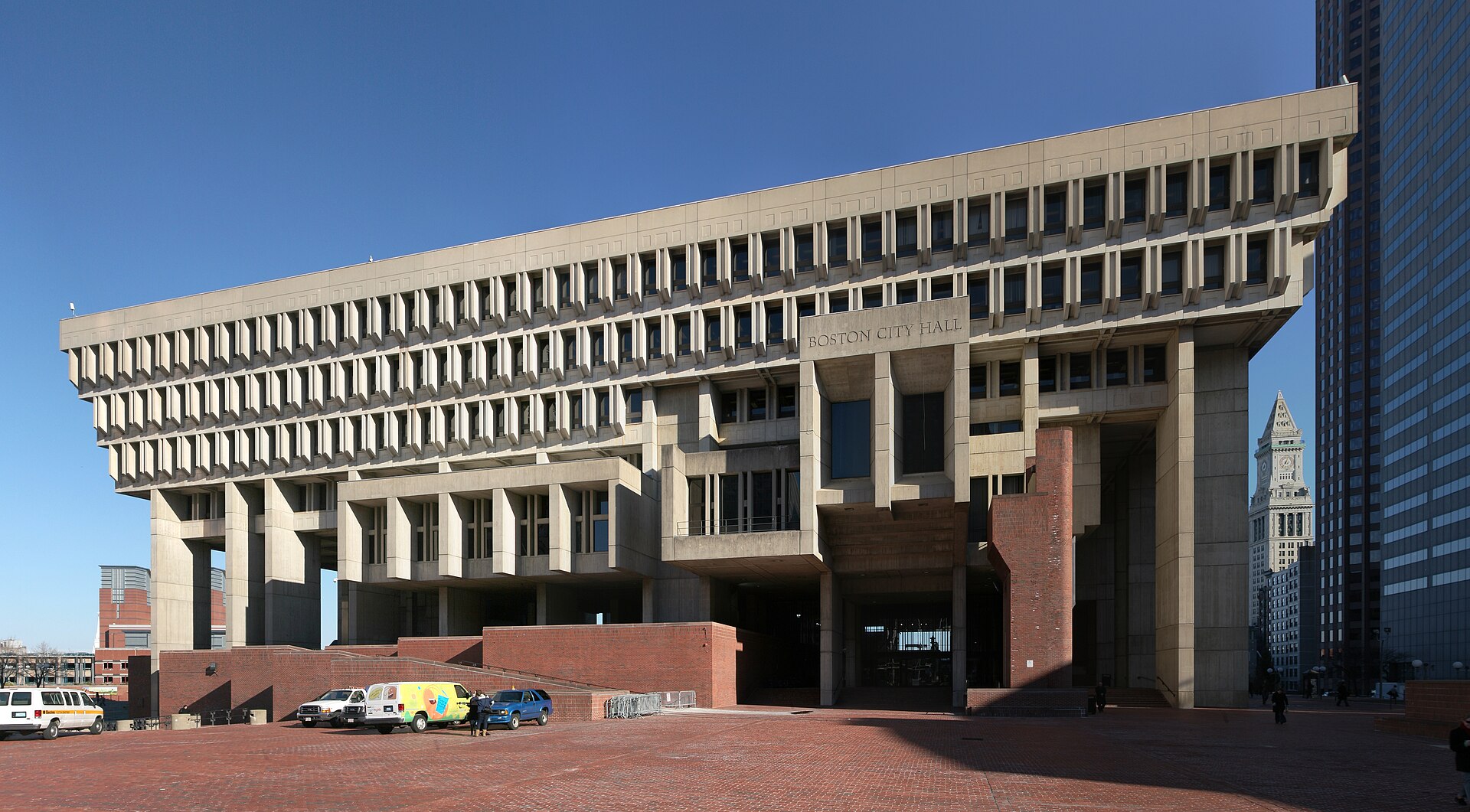
BOSTON — Boston city councilors pressed police officials for five hours Tuesday over whether the department has been sidestepping the city's surveillance ordinance, and Police Commissioner Michael Cox told them it has not. 'There is no loophole,' Cox said, according to the Boston Globe. The hearing ended with no immediate action.
The ordinance requires the Police Department to seek City Council approval before it adopts new surveillance technology. Councilors said that did not happen in two cases: when police piloted automatic license plate readers with Flock Safety and competing vendors, and when the department kept using social media monitoring tools after the council rejected that use last summer.
City Councilor Ben Weber, who serves on Boston's Surveillance Oversight Advisory Board, described what he called a 'loophole' that lets police skip council approval, such as when the department switches vendors or cites circumstances like an immediate violent threat.
Cox's position was that technology the council has already approved, such as license plate readers, does not need fresh approval for each vendor, even when artificial intelligence is added. He urged the city to 'be careful not to establish additional bureaucracy' that would 'delay access to critical technologies or hinder our ability to prevent and investigate crime.'
The pilots at issue began this summer. The Globe has reported that police tested AI-enabled license plate cameras from Axon Enterprise and Motorola Solutions, after an earlier, undisclosed pilot with Flock Safety, a company that has drawn national controversy over police misconduct cases and privacy concerns.
On social media monitoring, the department said it used analysis tools in 2023 and 2024 in response to emerging online threats around the 2024 elections. This summer, it disclosed in its annual surveillance report that it had added a new AI-powered social media analysis tool, LifeRaft. 'What was the actual threat?' District 7 Councilor Miniard Culpepper asked. 'Was there an actual threat?'
Ryan Walsh, director of the Boston Regional Intelligence Center, said the city's Law Department had advised that continuing to use the tools was 'legitimate.' He said LifeRaft was added because of the large events Boston hosted this summer, including FIFA World Cup matches and Sail Boston. Cox acknowledged a gap. 'We need to do a better job to be transparent,' he said.
Advocates from the ACLU of Massachusetts, the Muslim Justice League and other groups asked the council to reject additional surveillance tools, pause license plate readers and strengthen the ordinance's reporting rules. Chris Conley, a Boston University law professor and member of the oversight board, said treating one policy as covering any social media analysis tool means 'the council will not be informed about exactly what this new technology is doing.'
The debate is not limited to Boston. In Quincy, the City Council voted 8-1 on Monday for an ordinance that would require a public hearing and council approval before police adopt surveillance technology. The next day, Mayor Tom Koch's administration raised legal questions about the council's authority over the police chief, and his chief of staff said the mayor would not support any effort that 'fundamentally weakens the vital role held by the chief.' Koch must sign the ordinance for it to take effect.
What happens next in Boston is unclear. No ordinance amendment has been filed in response to the hearing, and the department has not said whether the Axon and Motorola pilots will continue or come before the council for a vote.