Boston Councilors Meet Monday on Extending Condo-Conversion Protections to Triple-Deckers. City Data Shows 244 Apartments Lost to Small-Building Conversions in 2.5 Years
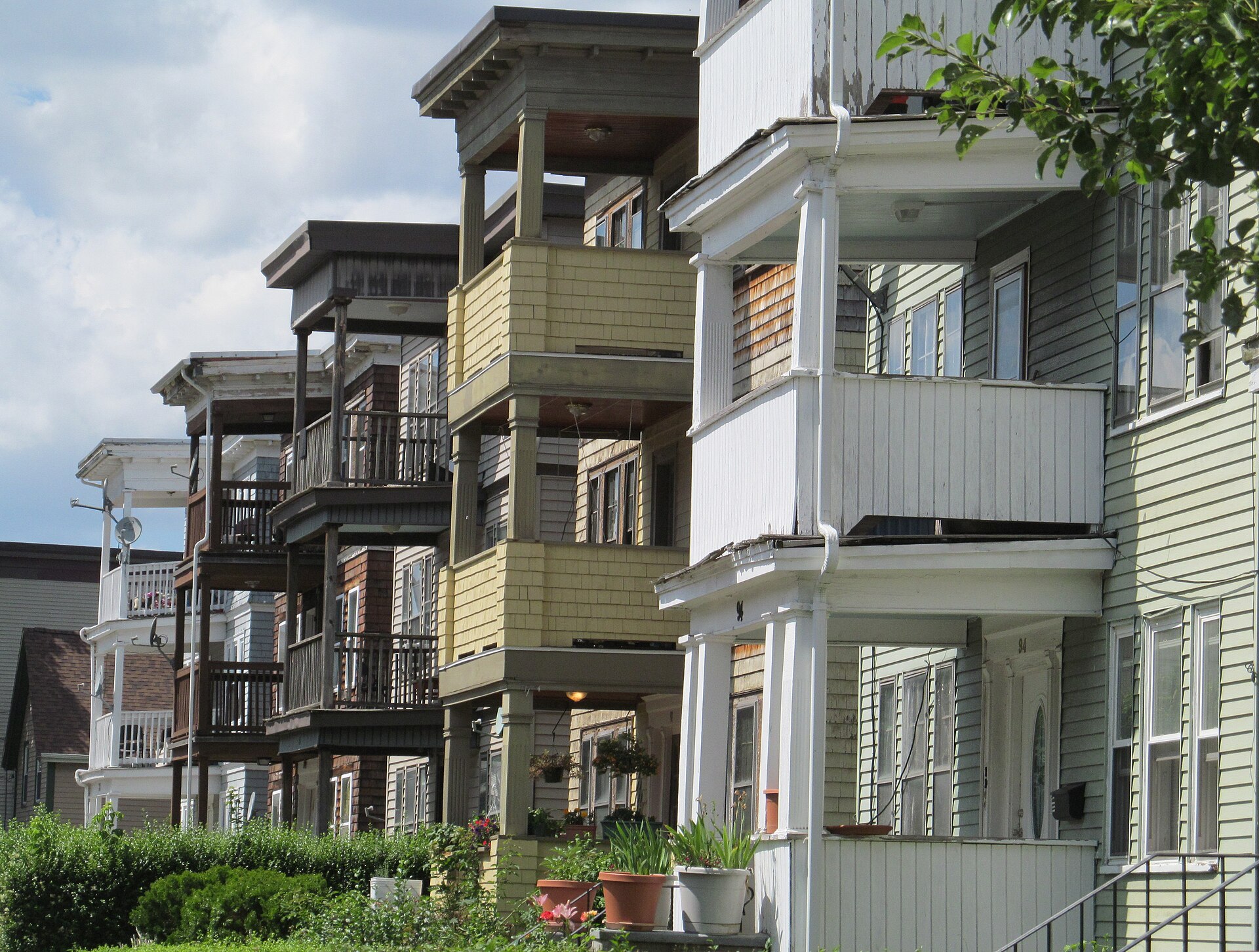
Docket #1711 would cover non-owner-occupied two- and three-family buildings built before December 1983. Monday's 10 a.m. Government Operations working session is remote and includes no public comment period.
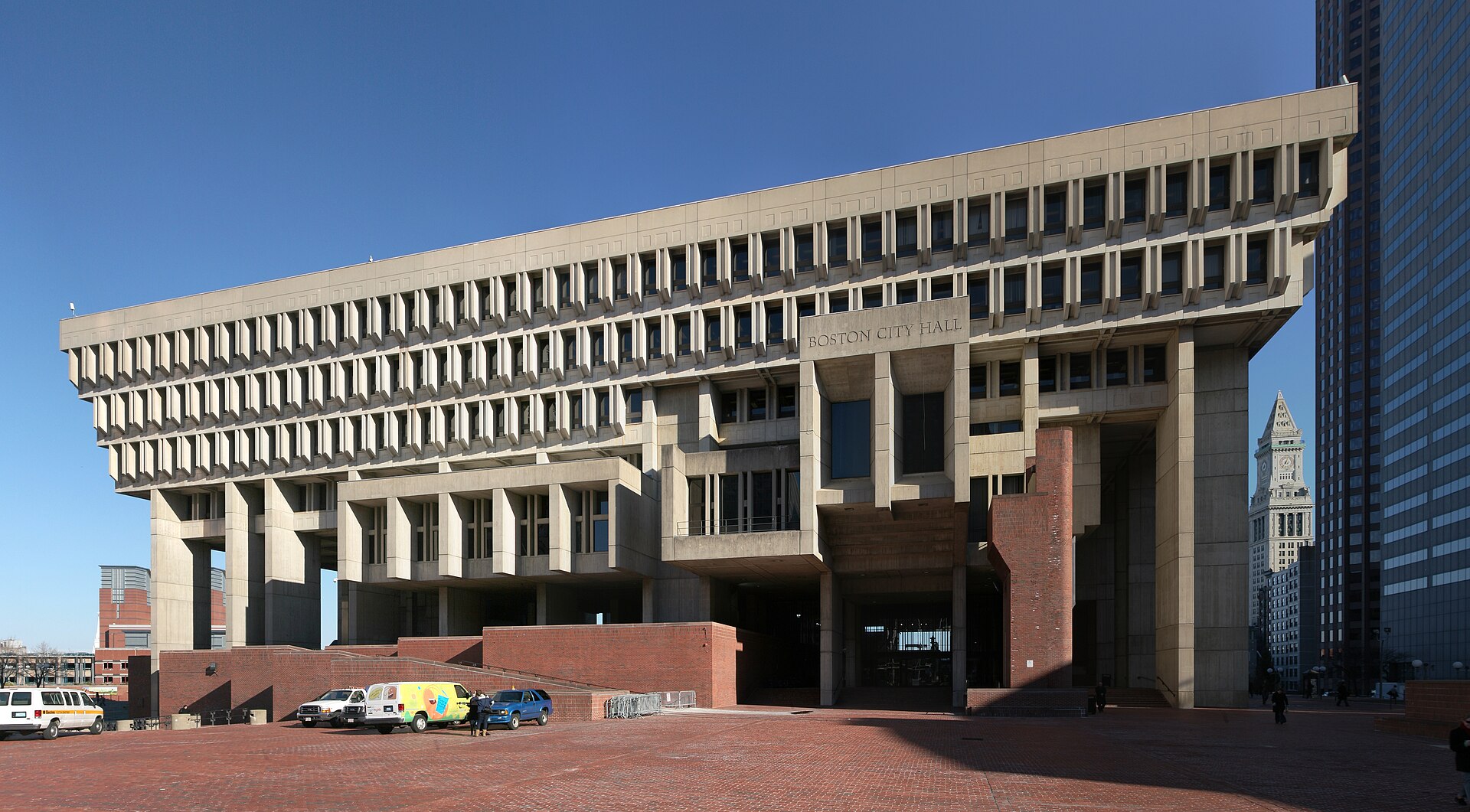
The Boston City Council's Committee on Government Operations was scheduled to hold a remote working session at 10 a.m. Monday on a proposal that would extend the city's condominium-conversion tenant protections to many of its two- and three-family rental buildings, according to a public notice posted on Boston.gov on Oct. 22.
The measure, Docket #1711, is titled "An Ordinance Amending and Extending Protections for Tenants Facing Displacement by Condominium or Cooperative Conversion." It was sponsored by Council President Liz Breadon and District 1 Councilor Gabriela Coletta Zapata, who chairs the committee, and was referred to the committee on Sept. 16, the notice says. The session is described as a working session to amend the proposed ordinance, and the notice states it "will not include a public comment period." It is being held over Zoom under the state's modified Open Meeting Law rules; the notice directs people who want to watch to email committee staff for a link.
Boston's current conversion ordinance applies to residential buildings with four or more units, according to The Boston Report, citing Hoodline. A September release from the office of state Sen. Lydia Edwards, who represents East Boston, lists the main changes in Docket #1711.
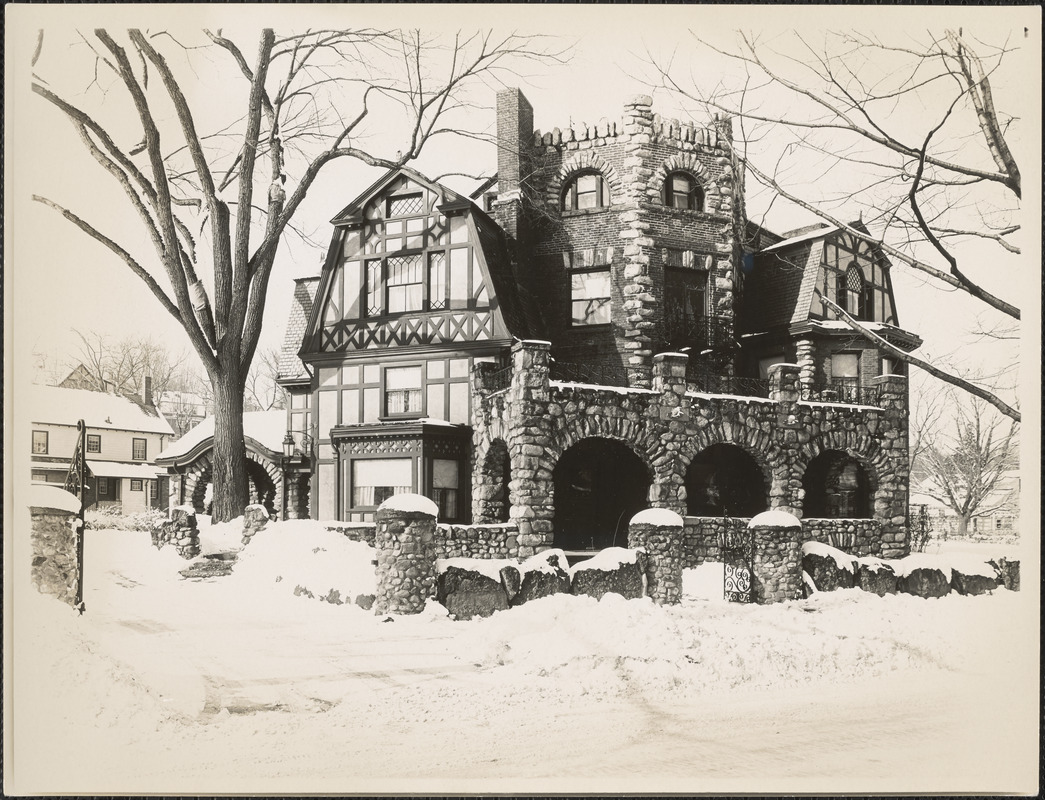
The update would expand protections to non-owner-occupied two- and three-family properties built before December 1983. It would create a one-year waiting period between preliminary and final conversion approval for vacant properties, which the sponsors say would discourage owners from emptying units to avoid tenant protections. If a unit was occupied within the previous 12 months, the owner would still have to honor tenant rights, including a first right of refusal to buy the unit when possible and relocation benefits; if an eligible tenant cannot be reached, the relocation payment would go to the Mayor's Office of Housing.
The proposal would also split approval into two steps: the Mayor's Office of Housing would grant preliminary conversion approval, and Inspectional Services would not issue a final conversion permit until the required tenant protections and other obligations are satisfied, according to the release.
Under the city's existing rules, most covered tenants can receive a one-year lease extension and $10,000 in relocation benefits, and some eligible tenants can qualify for a five-year extension and $15,000, The Boston Report said, citing Hoodline and the Mayor's Office of Housing.
The change follows state law. In 2024, the Affordable Homes Act extended Massachusetts' condominium conversion law to certain two- and three-family properties where the owner does not live in the building, according to the Edwards release. State law sets a baseline and lets cities adopt their own ordinances covering tenant notice, relocation costs, eviction protections and permitting. Edwards chaired the Legislature's Housing Committee when that change passed.
The sponsors cite the city's own numbers. According to the Mayor's Office of Housing Condo Master Deeds Tracker, as described in the release, 101 two- and three-family properties built before 1983 were converted from rentals to condominiums citywide over roughly the last two and a half years, creating 317 condo units and removing 244 apartment units from the rental market. In East Boston, 17 such properties converted, producing 70 condo units and removing 42 apartments as of May 2026.
Tenants of all 101 of those properties would have been covered under the proposed update, the release says, and the sponsors estimate the change would extend coverage to tenants in more than 90 percent of Boston's residential buildings. The conversion counts do not show how many tenants lived in those buildings or how many would have qualified for relocation payments, The Boston Report noted.
"Boston's Condo Conversion ordinance has been a key anti-displacement tool since it was adopted, but our current protections no longer reflect the reality facing tenants today," Breadon said in the release. "This update strengthens and modernizes our protections by expanding coverage to triple-deckers, improving notice and relocation requirements, and closing key loopholes."
Coletta Zapata said the protections are "especially important in neighborhoods like East Boston, where smaller two- and three-family homes make up so much of our housing stock and longtime residents continue to face intense displacement pressures." She added: "Condo conversions can happen, but they should never come at the expense of basic fairness, transparency, and dignity for the tenants who helped build our communities."
"Updating Boston's condo conversion ordinance is especially important in a city where the majority of residents are renters," Edwards said.
What is not yet on the record
The materials released by the sponsors do not include statements from property owners or real estate groups, and The Boston Report found none in its review. The Boston.gov notice lists the docket text as a resource but does not describe what amendments the committee will consider Monday. The Boston Report said the draft ordinance would take effect Jan. 1, 2027, if adopted.
A working session is a step before any committee vote. After amendments, the committee would need to report the ordinance back to the full council, and the council would need to pass it before it goes to Mayor Michelle Wu. The session falls the day before Tuesday's state election, on a ballot that also includes Question 7, the statewide proposal to limit minimum lot sizes for single-family homes.
People who want to submit written comments can use the committee email listed in the notice, [email protected].
Sources
- Boston.gov public notice: Government Operations working session on Docket #1711 (Nov. 2, 10 a.m.) (opens in a new tab)
- Boston.gov: Docket #1711 text (PDF) (opens in a new tab)
- Sen. Lydia Edwards: New proposal before Boston City Council would expand protections for tenants of 2- and 3-family buildings (Sept. 23) (opens in a new tab)
- The Boston Report: Boston condo conversion ordinance would cover triple-deckers (updated Oct. 22) (opens in a new tab)