Boston's Proposed 'Bad Landlords List' Runs on Points. Six in a Year Would Put a Small Landlord on It.
Docket 2026-1958 would have Inspectional Services publish a Scofflaw List every Feb. 1 and Aug. 1, bar listed owners from city business and raise fines. Landlord groups are split.
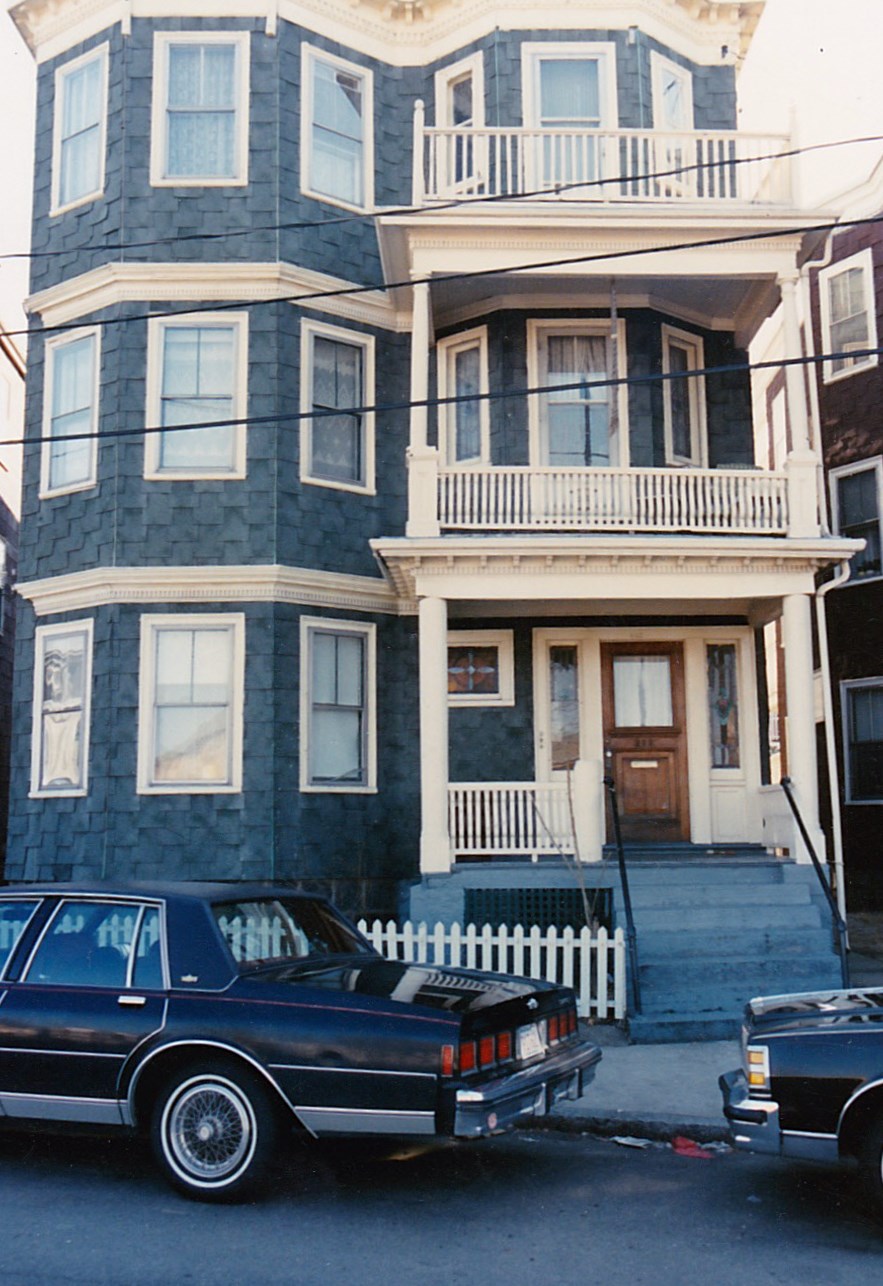
Boston City Councilors heard testimony this week on an ordinance that would require the city to publicly name its most chronic problem landlords twice a year and cut them off from doing business with City Hall. The proposal, Docket 2026-1958, is titled "An Ordinance Establishing a 'Bad Landlords List' and Extending Rental Property Code Enforcement Against Chronic Offenders and Scofflaws." It is sponsored by Council President Liz Breadon and Councilor Brian Worrell and co-sponsored by Councilors Miniard Culpepper, Sharon Durkan, John FitzGerald, Ed Flynn, Ruthzee Louijeune, Julia Mejia, Erin Murphy, Enrique Pepén, Henry Santana and Benjamin Weber.
The ordinance text spells out a points system administered by the Inspectional Services Department. Among the penalties it lists, unresolved violations that reach court proceedings incur three points each, failure to register or complete rental inspection requirements incurs one point per unregistered unit, failure to pay outstanding municipal fines of more than $1,000 and up to $10,000 incurs two points, and unpaid fines above $10,000 incur four points.
An owner who reaches a set threshold within 12 months would be classified as a "Scofflaw Property Owner." The thresholds scale with the size of a landlord's holdings: six points for owners of 1 to 50 units, 10 points for 51 to 500 units, and 14 points for owners of 501 or more units. Administration officials told councilors the higher thresholds for large owners are intended to keep a small number of problem properties from marring the reputation of a landlord with thousands of units, Banker & Tradesman reported.
On Feb. 1 and Aug. 1 of each year, ISD would create and publish the "Scofflaw List" of all owners above the thresholds in the preceding 12 months. The consequences go beyond publicity. Under the ordinance, no Scofflaw Property Owner would be eligible to do business with the City of Boston, and no city department or agency could do business with one. Listed owners would face fines of $2,000, or the maximum allowed, for each subsequent point received in a rolling 12-month period, and could also face court prosecution. An owner who keeps fewer than two points for a rolling 12 months would be removed at the next publication date at least 12 months after first appearing on the list.
The ordinance's preamble cites two models: Chicago's "Building Code Scofflaw List," which bars listed owners from business licenses, zoning variances, city land and financial assistance, and New York City's Worst Landlords Watchlist.
At Monday's hearing, Breadon said the list "would give prospective tenants easy access to Inspectional Services and code-enforcement data the city is already collecting, empowering them to make informed decisions before signing a lease." She said chronic offenders would lose eligibility for city grants, zoning relief or consideration for Article 80 development projects, and would face more inspections and maximum fines, according to Banker & Tradesman.
City Chief of Operations Dion Irish told councilors the effort began in 2019 and was derailed by the pandemic. He said the city's Problem Properties Task Force already publishes a list of problem properties but does not identify their owners, and that current systems do not link violations logged by different departments with the beneficial owners of the LLCs that control properties. "What this ordinance is seeking to do is actually connect the dots," Irish said. ISD Commissioner Tania Del Rio said owning a designated problem property alone would not be enough to land an owner on the list.
Some councilors questioned the approach. Flynn questioned the effectiveness of "publicly shaming" landlords, and Murphy asked why existing systems were not enough and whether tenants in a tight market could use the information. "We know with such a housing shortage, you're not always given the luxury to choose something else," she said.
Landlord groups are divided. MassLandlords Executive Director Doug Quattrochi wrote that the city should "make the list, then use it to enforce the code." The Small Property Owners Association told councilors the list would "raise serious concerns about proportionality and due process." The Greater Boston Real Estate Board called the list "duplicative" and urged the council to pass a separate proposal from Councilor Gabriela Coletta Zapata to improve data sharing and raise certain fines instead.
The ordinance remains in committee. No vote has been scheduled, and the council has not said whether it will merge the two proposals.
Sources
- Boston City Council: Docket 2026-1958 ordinance text (PDF) (opens in a new tab)
- City of Boston: Committee on Government Operations hearing notice, Dockets #0864 and #1958 (opens in a new tab)
- Banker & Tradesman: Boston councilors seek public 'scofflaw' landlords list (opens in a new tab)
- Universal Hub: Boston considers public worst-landlords list (opens in a new tab)