Thousands of Union Rideshare Drivers Are Rallying at UMass Boston for a First Contract the Country Has Never Seen.
The App Drivers Union, certified this spring to represent more than 70,000 Massachusetts Uber and Lyft drivers, has a tentative deal on grievances but is stuck on deactivations. Pay has not been bargained yet.
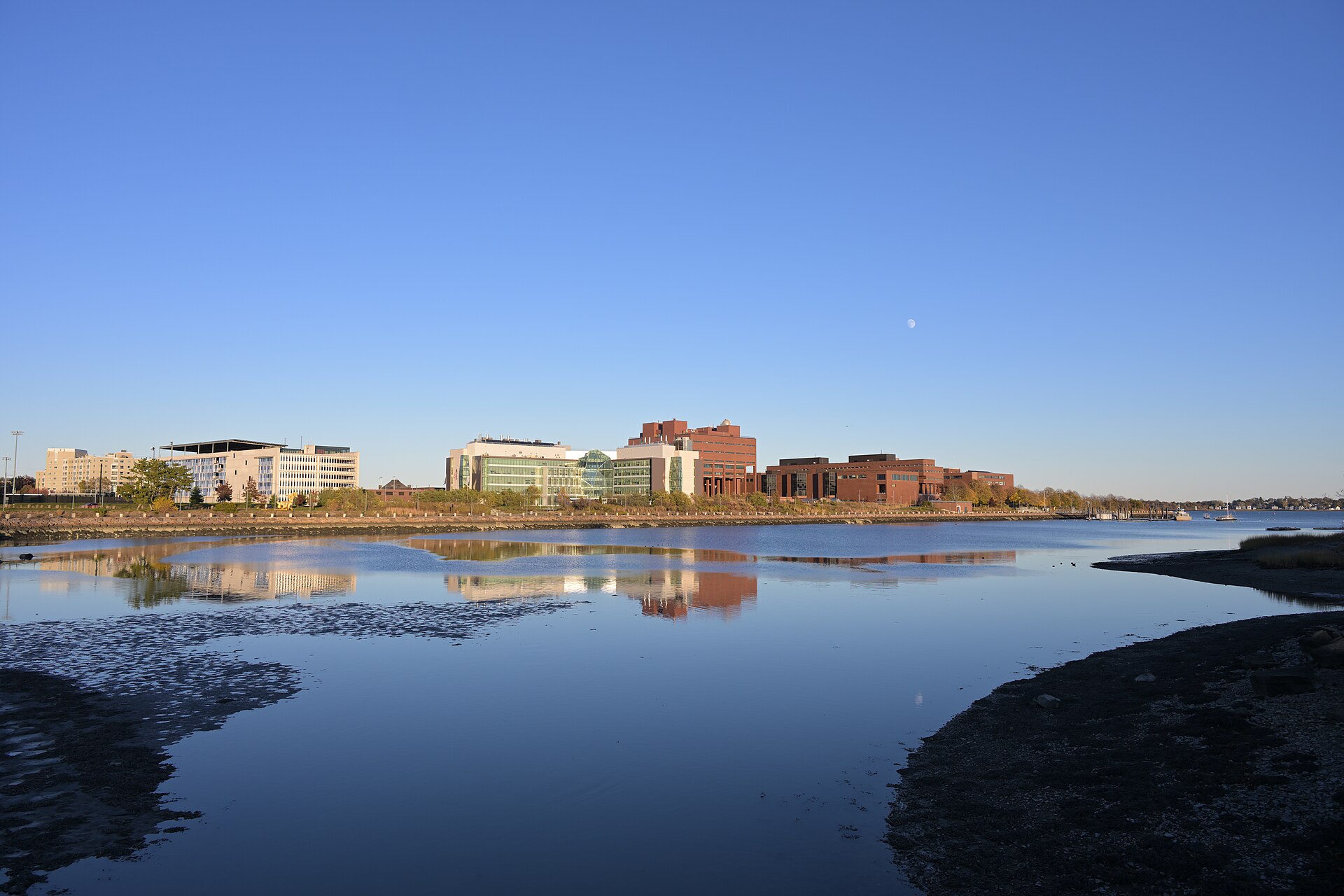
Thousands of union rideshare drivers are scheduled to leave their cars Tuesday and rally at the University of Massachusetts Boston for what organizers call a first contract with Uber and Lyft. The gathering is set for noon at the Bayside Lot, 240 Mount Vernon Street in Dorchester, with speakers beginning about 12:30 p.m., according to a State House News Service daily schedule.
The App Drivers Union is, by the union's description and by contemporary reporting, the first union of its kind for rideshare drivers in the United States and one of the few unions that represent contractors rather than employees. The Massachusetts Department of Labor Relations certified it in the spring after voters in 2024 approved a ballot law that secured drivers' union rights. Mike Vartabedian, the union's principal officer and an assistant directing business representative at IAM District 15, told Axios the union now represents more than 70,000 members who speak at least eight languages.
A 100-member collective bargaining committee began talks with the companies in August. Tuesday's rally comes early in that process, not at the end of it. Vartabedian told Axios the committee and management have reached a tentative agreement on terms related to grievances and arbitration. They are at odds, he said, over the process that leads up to an account deactivation. They have not yet taken up compensation.
Deactivation is the industry's word for being shut out of the app. Drivers have complained for years that an account can disappear with little explanation and little chance to contest it. Vartabedian told Axios the app has locked out drivers who share a name with someone else and has made other mistakes without a chance to appeal. In some cases, he said, facial recognition was the problem: drivers told the union they failed a photo check after they shaved, or after they took a picture outside the car instead of in it.
Lyft, through spokesperson CJ Macklin, said the company has been 'bargaining in good faith with the App Drivers Union for several months' and is 'committed to reaching an agreement that helps drivers succeed while keeping rideshare affordable and safe for Massachusetts riders.' Macklin said any system 'should give drivers meaningful recourse while preserving our ability to act quickly on serious safety concerns,' and that 'safety for drivers and riders alike has to remain at the center of any deactivation process.' Axios reported that Uber did not respond to a request for comment.
The union's public list of goals, as summarized in the State House News schedule, includes better pay, more transparency, a fair process for challenging deactivations, safer conditions, and guardrails on Waymo and robotaxis. Those are bargaining demands, not terms already written into a contract. The only tentative agreement described in Tuesday's reporting is the piece on grievances and arbitration.
The bargaining table itself is part of the story. Alfred Potter, a Lawrence resident, a founding union member, and a 14-year rideshare driver, told Axios that many drivers had never joined a union, let alone negotiated for one. Some members bring interpreters, he said, or lean on one another when something is lost in translation. Potter, who is Dominican and bilingual, described watching company representatives cycle through the room. 'They're having an ever-growing and revolving group of people having to come to sit with us. If you read their body language, they're not always happy, and it tells me that they have no choice but to take us seriously,' he said.
Scheduled speakers, according to the State House News advisory, include Autumn Weintraub of the App Drivers Union; Vartabedian; Massachusetts AFL-CIO President Chrissy Lynch; and Greater Boston Labor Council President Darlene Lombos. Organizers have said elected officials may also attend. Those names are a reminder that the fight is no longer only a private dispute between an app and a driver. It is a public labor negotiation, held under a state-certified union, over rules that will apply to tens of thousands of people who work in Massachusetts but are not classified as employees.
That classification is the unresolved legal backdrop. The 2024 ballot law gave drivers a path to representation without first converting them into employees under wage-and-hour statutes. The result is a contract negotiation that has no real American template. There is no long list of prior rideshare contracts to copy. The grievance language now in a tentative agreement, and the deactivation language that is not, will be read later as the first draft of that template.
Axios reported that talks are expected to continue for several weeks, if not longer. Pay, the item most drivers will judge the union by, has not been opened. A noon rally in a UMass Boston parking lot will not finish the contract. It is meant to show the companies, and the city around the lot, that the people who do the driving are organized, represented, and still waiting on the hardest questions.