APEC Leaders Issue a 'Shenzhen Outlook' Instead of a Declaration. It Never Mentions the WTO.
The statement backs the flow of energy and 'other essential goods' and a voluntary exchange of AI practices, but says nothing about rare earths or multilateral trading rules.
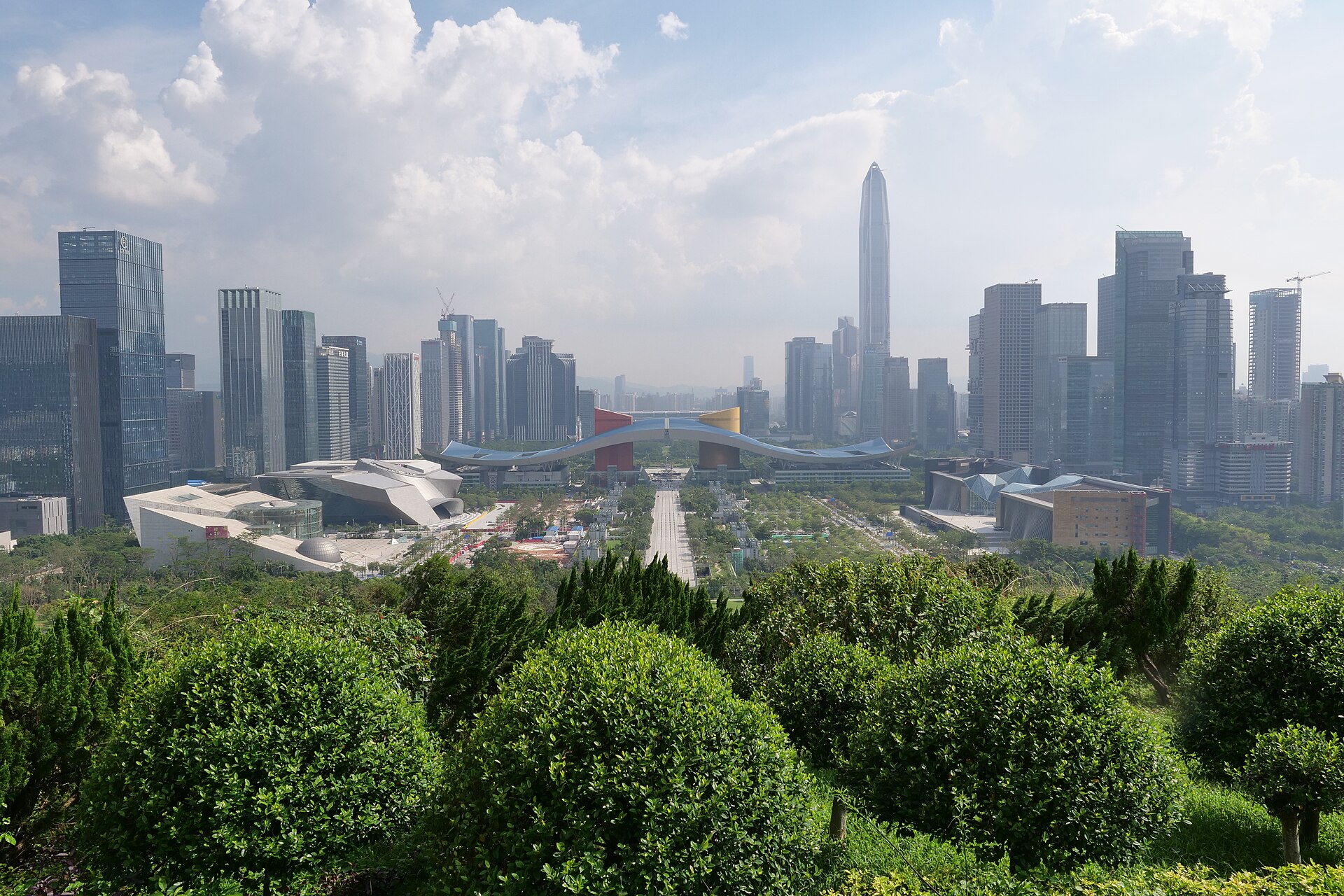
Leaders of the Asia-Pacific Economic Cooperation forum concluded their summit in Shenzhen on Thursday with a joint statement that departs from APEC custom in both name and content, Nikkei Asia reported.
APEC leaders' joint statements are usually titled declarations. The one produced in Shenzhen is called the "Shenzhen Outlook." According to Nikkei, the statement affirms the importance of efforts to "improve the trade and investment environment" but makes no mention of the World Trade Organization or support for the multilateral trading system, language that has appeared in past APEC outcomes.
On technology, the statement encourages a "voluntary exchange of good practices" to support innovation, which Nikkei described as a nod to the artificial intelligence rivalry between the United States and China. It also flags the risks of data breaches and of technologies being used for malicious purposes. On trade, it notes the importance of maintaining the flow of energy and "other essential goods." It does not mention rare earths, a central point of tension between Washington and Beijing.
The summit week began Tuesday with a CEO Summit, followed by the Economic Leaders' Meeting, Nikkei reported. Chinese President Xi Jinping, the host, used his platform to call for "free and open" trade. Western leaders argue that China's growth model, which favors industrial strength over consumers, is unfair and creates destabilizing global trade imbalances, Reuters reported. Xi and Russian President Vladimir Putin delivered speeches denouncing Western trade "protectionism" and sanctions before President Donald Trump arrived, and Putin said Russia was key to food and energy security in the region. Trump told the gathering that the United States has been a Pacific power for hundreds of years.
The softer wording on trade rules came in a year when the United States and China have managed their rivalry through bilateral truces rather than multilateral institutions. Trump and Xi extended their trade truce this month, Reuters reported, even as reports of Nvidia chips being diverted to China through Southeast Asia raised questions about U.S. export controls.
Host-country politics also shaped the gathering. Japanese Prime Minister Sanae Takaichi arrived without a welcoming ceremony and was described by Reuters as an isolated figure, amid strained relations with Beijing over her 2025 remarks about Taiwan. Takaichi said Tokyo's position on Taiwan had not changed since 1972. Nikkei reported that Tokyo was seeking talks between Takaichi and Putin after Russia seized Japan Tobacco units.
What the Shenzhen Outlook means in practice depends on follow-up: whether APEC working groups take up the AI practices exchange, whether the absence of WTO language carries into next year's host agenda, and whether the energy-flow language is tied to any specific commitments.