Massachusetts Has a New Climate Chief. The First Question Waiting for Her Is a Price Tag Her Predecessor Recommended Four Years Ago
Deputy Aladdine Joroff succeeds Melissa Hoffer in the nation's first cabinet-level climate post. Hoffer left warning against pitting affordability against climate action.
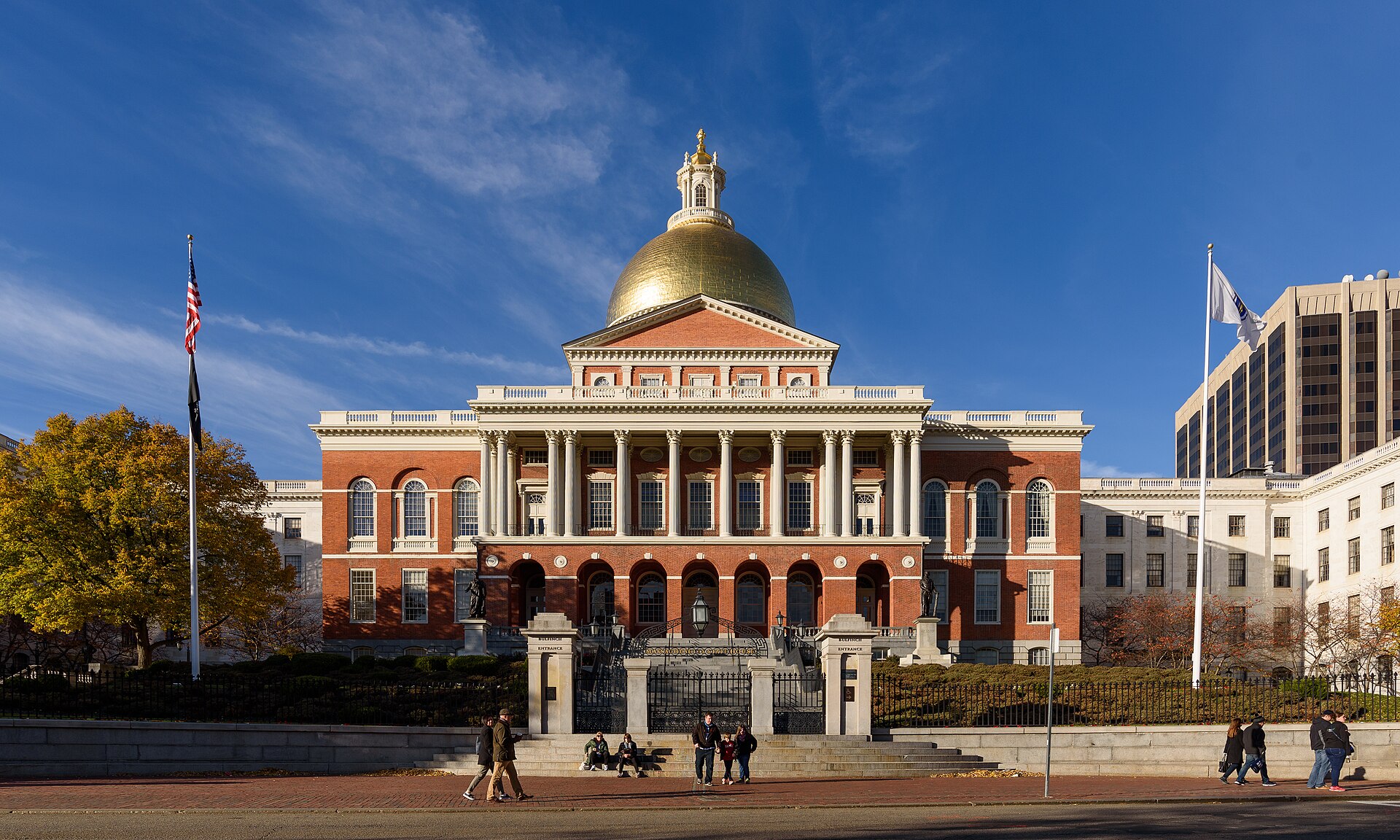
BOSTON — Gov. Maura Healey on Tuesday named Aladdine Joroff the state's new climate chief, promoting her from deputy to the top of the cabinet-level office Healey created when she took office in 2023, the Boston Globe and WBUR reported.
Joroff had served as deputy climate chief and director of mitigation and community resilience in the Office of Climate Innovation and Resilience. She is also a visiting lecturer on environmental science and public policy at Harvard, and before joining the administration was Boston's climate policy director, the Globe reported. In the new role she will coordinate climate policy across state government, advance clean energy and support the state's climate goals.
She succeeds Melissa Hoffer, a former Biden administration official who was the state's first climate chief. Massachusetts was the first state to create a cabinet-level climate chief position, WBUR noted. Hoffer's last day was Monday; she becomes president of Vermont Law and Graduate School on Dec. 1.
Hoffer's tenure included helping establish the Massachusetts Community Climate Bank, which the Globe described as the nation's first green bank dedicated to affordable housing, and launching the state's Youth Climate Council.
In a farewell address to advocates Monday, Hoffer pushed back on the argument that climate policy is unaffordable. 'We must do everything we can to avoid running into a situation where people see it as a competition between it's either going to be affordable or it's going to be green because that's malarkey,' she said. 'What is affordable is green.'
That argument is the backdrop to Joroff's first months. Paul Craney, executive director of the Massachusetts Fiscal Alliance, told the Globe he hopes Joroff will release an analysis of the total cost of reaching the state's 2050 net-zero emissions target, a recommendation Hoffer herself made in an 87-page report she prepared for the administration in 2023. 'What is the price tag that they have in mind, and who do they think is going to pay for it?' Craney said.
Environmental groups welcomed the pick. Rishi Reddi, the Conservation Law Foundation's vice president for Massachusetts, said Joroff brings 'knowledge and decisiveness,' citing affordability, insurance and coastal resiliency challenges. Steve Long of The Nature Conservancy in Massachusetts said Joroff was instrumental in organizing listening sessions Hoffer held on adaptation, resilience and mitigation.
The governor's office declined the Globe's request for an interview with Joroff.
Joroff takes over as the state's clean energy pipeline faces pressure from both directions. This week State House News Service reported that Vineyard Wind 1 reached full commercial operation but is likely to be the only Massachusetts offshore wind project completed this decade, with the next procurement delayed at least six times. In Sutton, a proposed data center campus would draw about 900 megawatts, more than that wind farm can generate.
Whether the administration will produce the cost analysis Hoffer recommended, and on what timeline, has not been announced.